Chipperfield's Design for 'New' Nobel Center Unveiled
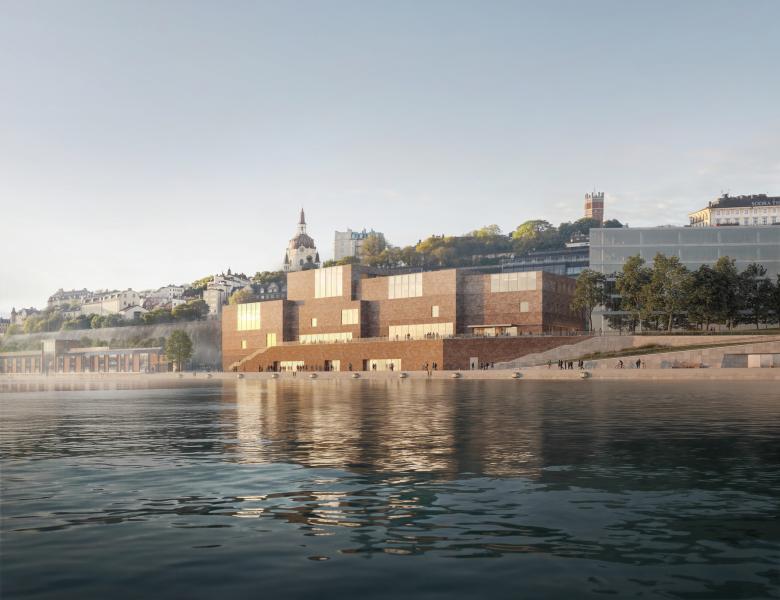
Eight years after David Chipperfield Architects' competition-winning design for the Nobel Center in Stockholm was halted by a Swedish court, a revised design on a different waterfront site, also designed by Chipperfield, has been unveiled. Construction is expected to start next year.
“Nobelhuset” was the name of David Chipperfield Architects' 2014 winning design for the Nobel Center. Although the jury described the design as “an elegant, timeless and attractive external appearance,” there was a good deal of opposition at the time, much of it focused on how it didn't fit in alongside its older neighbors on the Blasieholmen peninsula in Stockholm. Although Chipperfield scaled down the building to address these concerns, gaining approval for the project in 2016, the project was effectively dead come 2018, when a Swedish court stated the building would do “significant damage” to the preservation of the old harbor site.
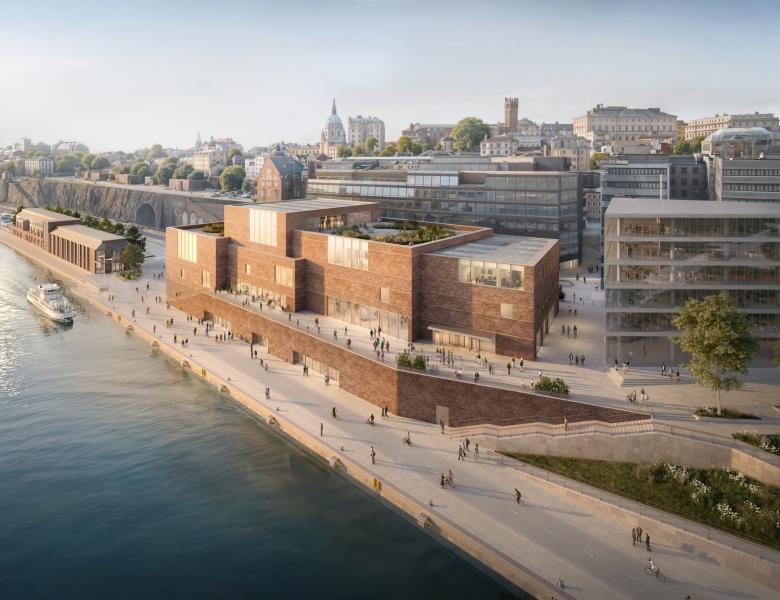
With the above timeline, this week's announcement of a new design for a new site—along Stadsgårdskajen at Slussen, along the waterfront a little bit south of the previous site—came as a bit of a surprise. An office building was intended to be built on the site, but in its place will rise the Nobel Center, which will then follow the office building's previously approved development plan regarding the shape, height and width of the building. Like the previously planned Nobel Center, the revived project will be accessible to the public and include spaces for exhibitions, educational programs, scientific meetings and lectures, and hospitality.
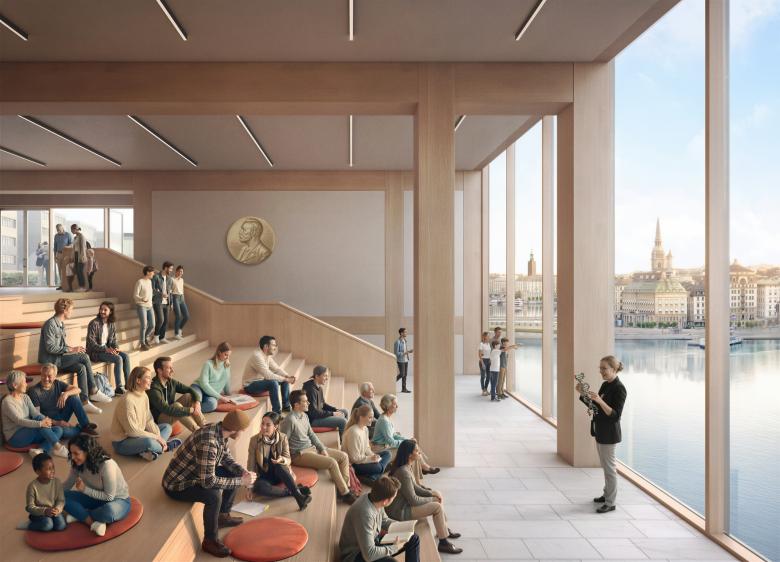
Chipperfield's Berlin office has designed the new Nobel Center as four interconnected volumes that “relate to the buildings of Södermalm and the size and height of the buildings in Gamla stan, on the other side of the water,” per a statement from the Nobel Foundation. Terraces will be on the roof and in front of the building, while a public promenade will sit at the water's edge. The building has been designed with timber frame and facades made from reclaimed brick. Both materials are meant to minimize the building's impact on the climate, though the bricks also aim to lend “a sense of permanence and gravitas” to the project and align it aesthetically with other brick buildings in Stockholm, most notably City Hall.
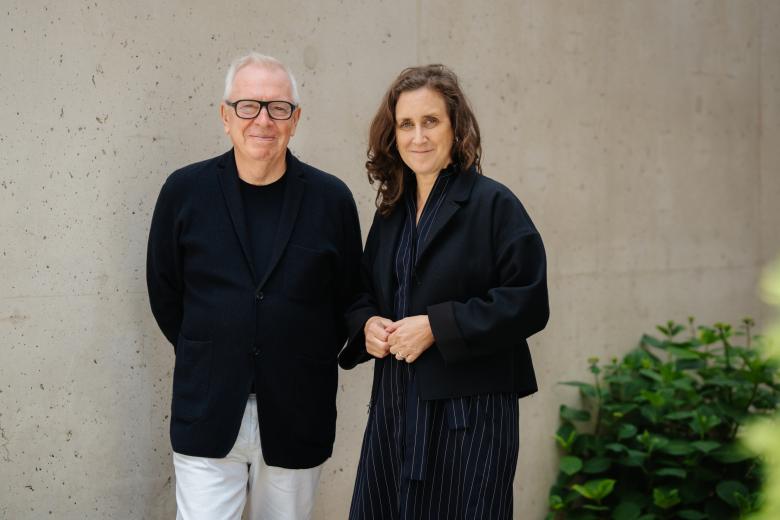
“Conceived as open house for science, literature and dialogue, we have sought to design a building that fulfils this responsibility on several scales. Shaped by its prominent location on the Slussen waterfront, it has a distinctively civic presence rooted in its location and daily life of the city, while also reflecting the broader significance of the Nobel Prize. At a time when expertise and informed debate are more vital than ever, our hope is that the Nobel Center will stand as a resilient space of knowledge and exchange.”
Construction of the SEK 2.5 billion project (234m euro), funded mainly by the Erling-Persson Foundation and Knut and Alice Wallenberg Foundation, is scheduled to start in 2027, with the building inaugurated in 2031.