Time as a Tool: Five Proposals for a Planet in Transition
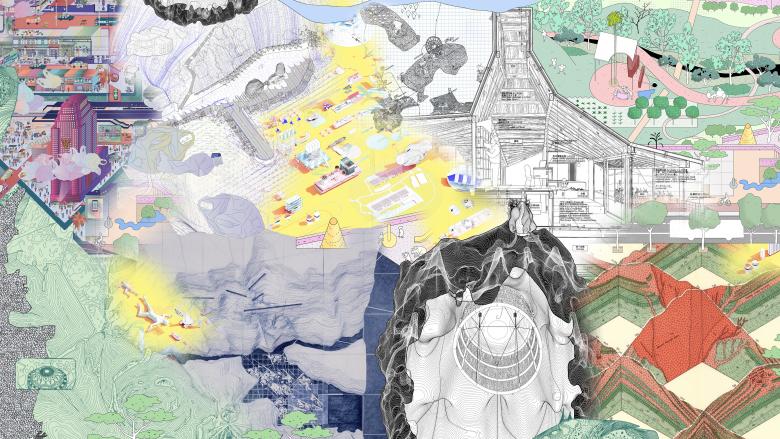
The Catalysts of Resilience international student competition, organized as part of the UIA World Congress of Architects 2026 Barcelona, generated 587 proposals from around the world addressing an urgent question: how can architecture anticipate the ecological, social, and territorial collapses that lie ahead? The five winning projects offer answers that are as diverse as they are revealing.
Held between July and November 2025 under Becoming: Architectures for a planet in transition, the thematic umbrella of the UIA Congress, the Catalysts of Resilience competition asked participants to identify vulnerable places and propose interventions capable of activating processes of resilience over time. The international jury, chaired by Josep Ferrando (Spain) and made up of Tatiana Bilbao (Mexico) and Sumayya Vally (South Africa), among others, evaluated the proposals in four successive rounds until selecting the winning entries from among the 455 technically valid projects.
Participation was truly global. Of the 587 proposals received, 33% came from the Americas, the most represented region, followed by Western Europe and Central and Eastern Europe, with 16% each, and Asia and Oceania, with 28%. Africa, with 6.5% of entries, completed a map of participation covering virtually every geographical and climatic context on the planet, which is also reflected in the diversity of the sites chosen by the winning projects: from Australia to India, from Switzerland to Ghana, from Japan to the Canary Islands.
The freedom to choose their own sites for intervention—highlighted by the jury as one of the most valuable aspects of the competition—forced participants to exercise critical thinking that goes beyond conventional architectural responses. It required them to characterize vulnerability, understand the cultural and ecological layers of each place, and propose strategies that, instead of just solving for the present, also care for the future.
What emerges from the winning proposals is not a stylistic trend, but rather a disciplinary position: architecture as an open process, stratified over time, mediating between ecological systems and human communities. The jury particularly highlighted those projects that avoid rigid solutions in favor of adaptive structures, capable of operating simultaneously in the urgency of the present and in long-term transformation.
First Prize: The Marsh as a Living System
Team leader: Harvey Rupp
Nationality: Australia
University: University of Western Australia (Australia)
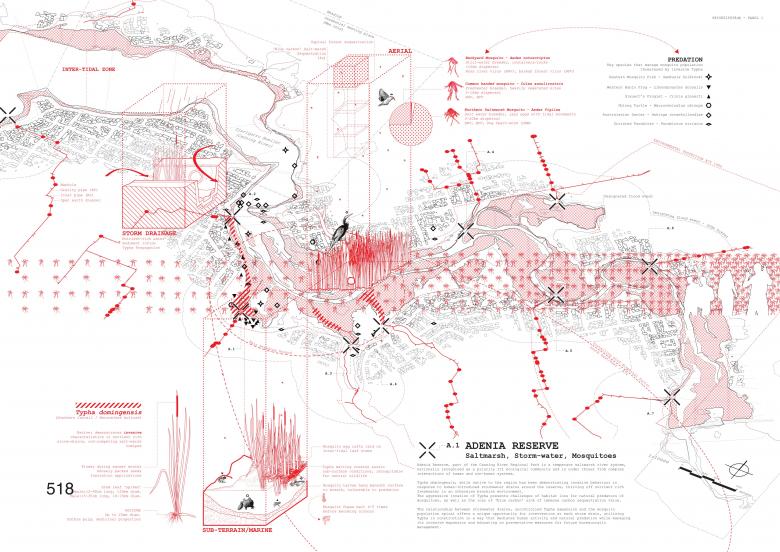
The winning project intervenes in an Australian salt marsh (a wetland ecosystem characterized by intermittent flooding) threatened by hydrological disturbance and human intervention. Far from imposing a dominant architecture, the proposal adopts a strategy of spatial containment in which water, climate, materials, and ecological processes act as active agents of design.
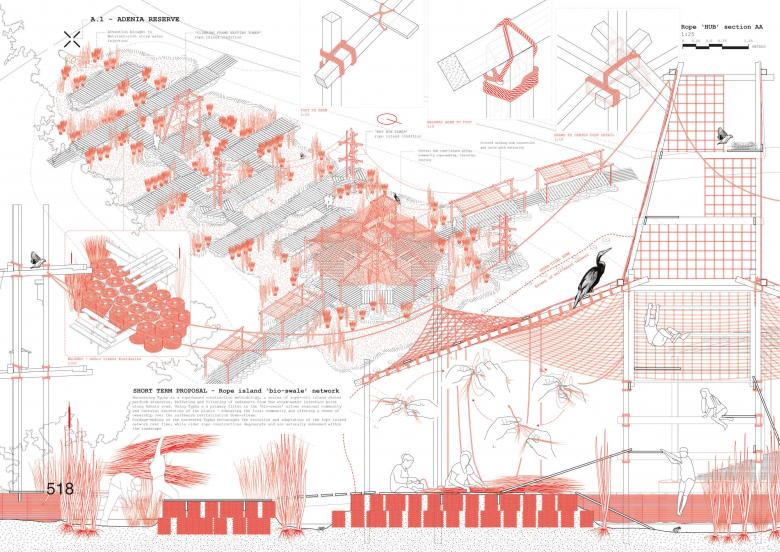
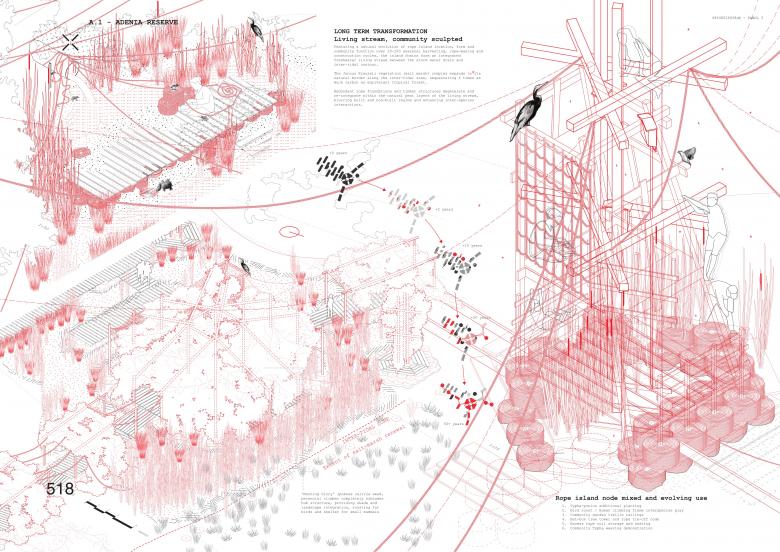
The project's innovation lies in the use of low-tech, reversible, and hand-buildable interventions that allow the system to evolve while embracing uncertainty. The proposal articulates a temporal logic in phases—from short-term tactical interventions to long-term seasonal cycles—which the jury valued as a convincing demonstration of how time can become an active instrument of ecological repair. The narrative and graphic clarity of the work, which makes complex ecological processes legible without simplifying them, completed a package that the jury considered transferable to similar environments around the world.
Second Prize: Sewing the Metropolitan Edge
Team leader: Hikmet Eda Akbas
Nationality: Turkey
University: RWTH Aachen University (Germany)
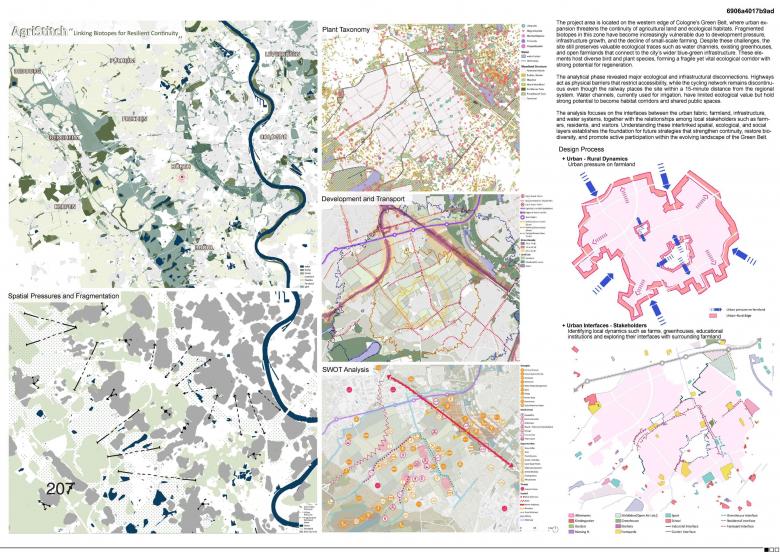
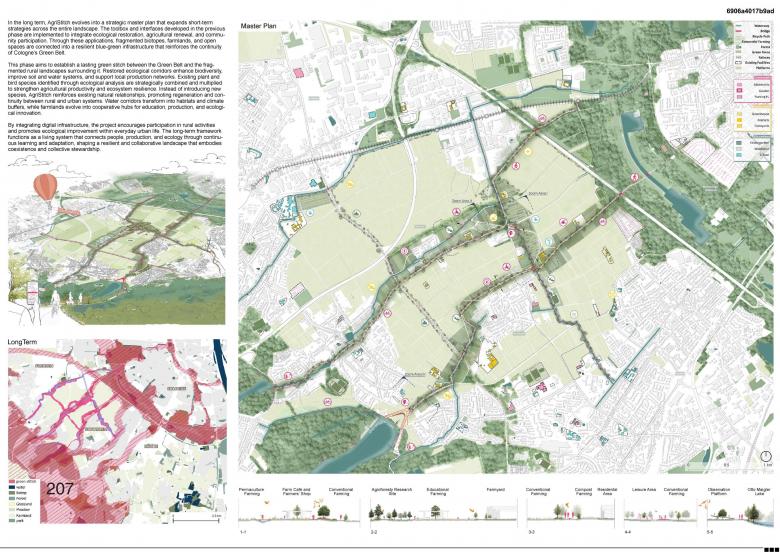
AgriStitch addresses the agricultural periphery of Cologne's green belt in Germany, where urban expansion, agricultural production, and ecological systems generate constant tension. Landscape fragmentation is identified as a primary vulnerability, and the response involves precise mapping and reconnection of waterways, farmland, and ecological corridors.
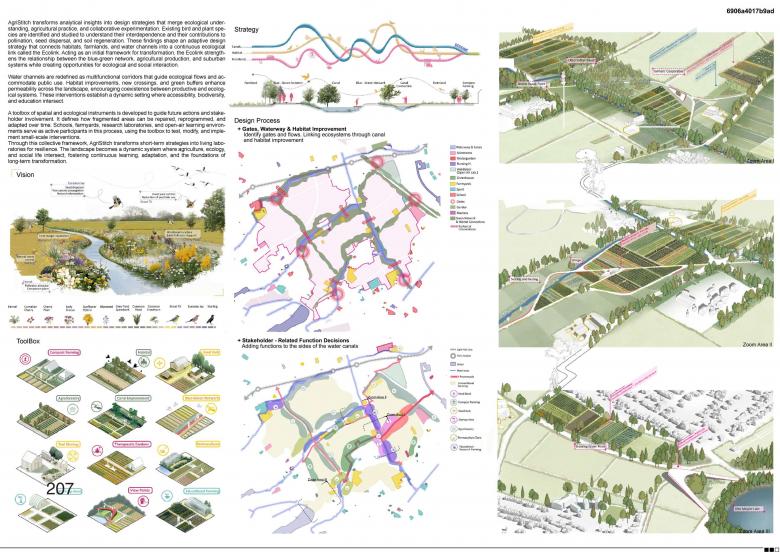
The project hybridizes blue-green infrastructure with agricultural productivity: canals, wetlands, and crop corridors form a flexible framework capable of evolving in response to environmental and social pressures. The jury highlighted its potential as a replicable model for other metropolitan edges, positioning productive landscapes as catalysts for resilient urban growth.
Third Prize: Tradition as an Instrument of Territorial Regeneration
Team leader: Manuel Alexander Fustamante Mori
Nationality: Peru
University: University of the Basque Country (Spain)
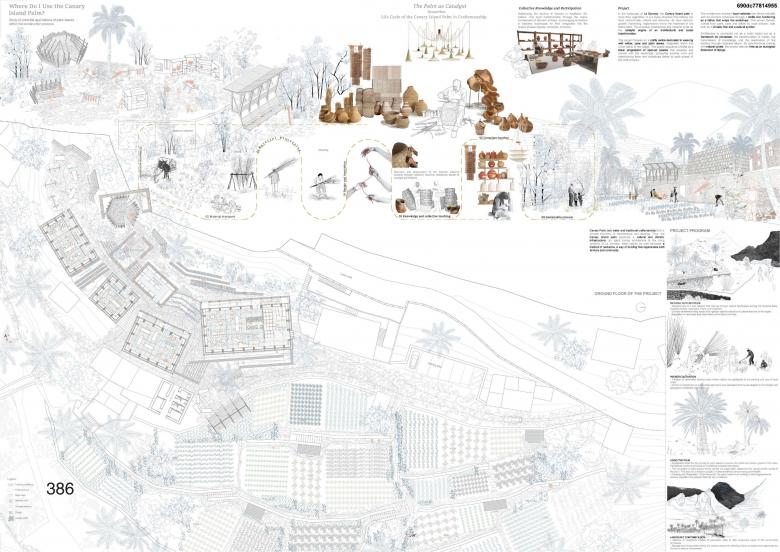
The third prize went to a proposal focused on the terraced landscapes of La Gomera (Spain). The work is based on an accurate diagnosis: depopulation and abandonment of the territory as processes that unfold over generations, not as isolated situations.
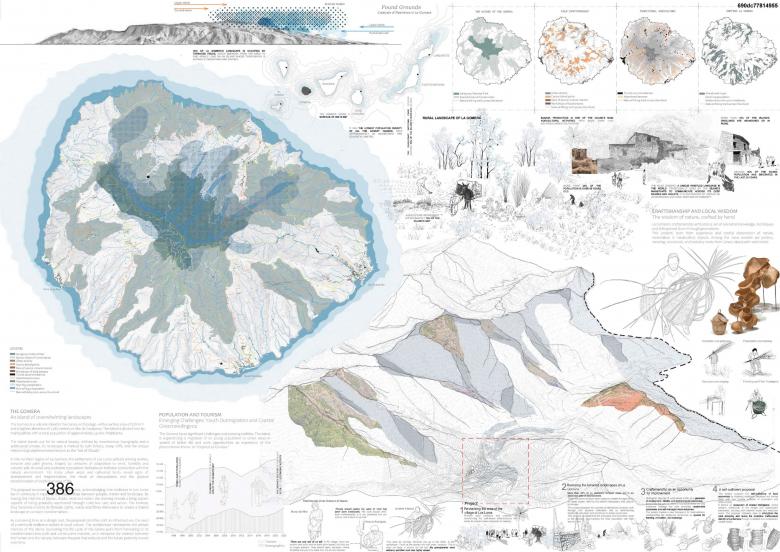
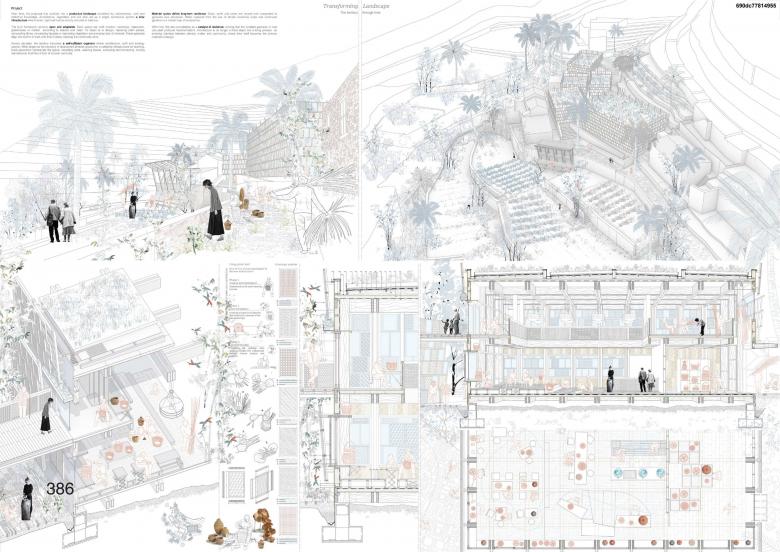
The strength of the project lies in the convergence of tradition and innovation within a unified agro-cultural framework. Traditional agricultural and artisanal techniques are mobilized not as static heritage, but as active instruments of territorial regeneration, social cohesion, and circular economy. Initial interventions reintroduce palm cultivation and communal workshops, while long-term strategies consolidate productive terraces and craft learning centers. The result is a landscape that evolves as a living system, not as a curated relic.
Fourth Prize: When the Ground Disappears Beneath Your Feet
Team leader: Sarah Levihn
Nationality: Germany
Team members: Cheng Yu Han and Levin Suresh
University: Tsinghua University (China)
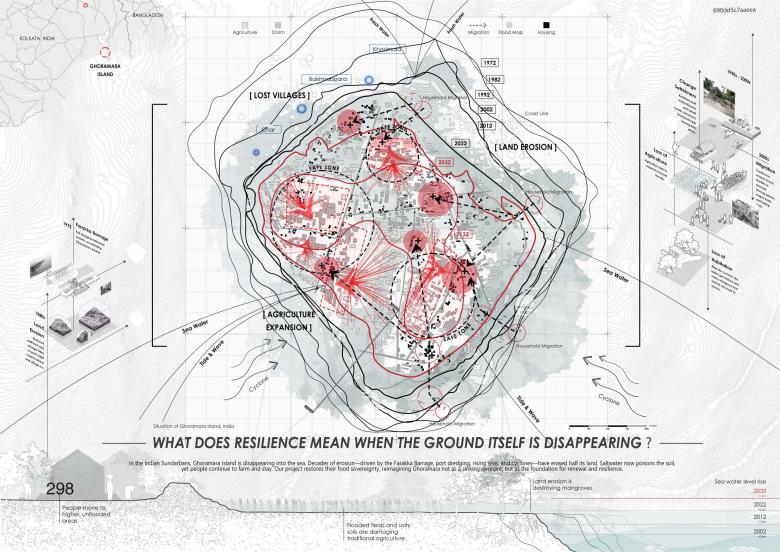
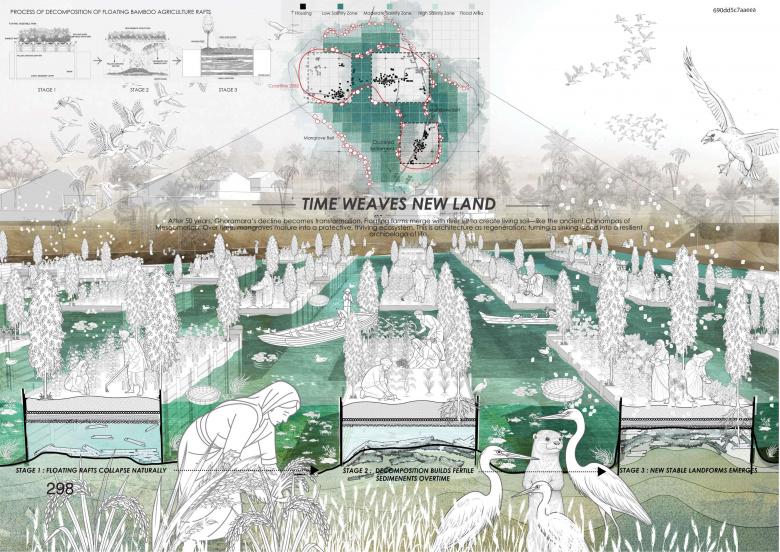
This project is being carried out in Ghoramara (India), an island in the Ganges Delta threatened by erosion, salinity, and socioeconomic instability. Land loss and population displacement are identified as cumulative and accelerating processes.
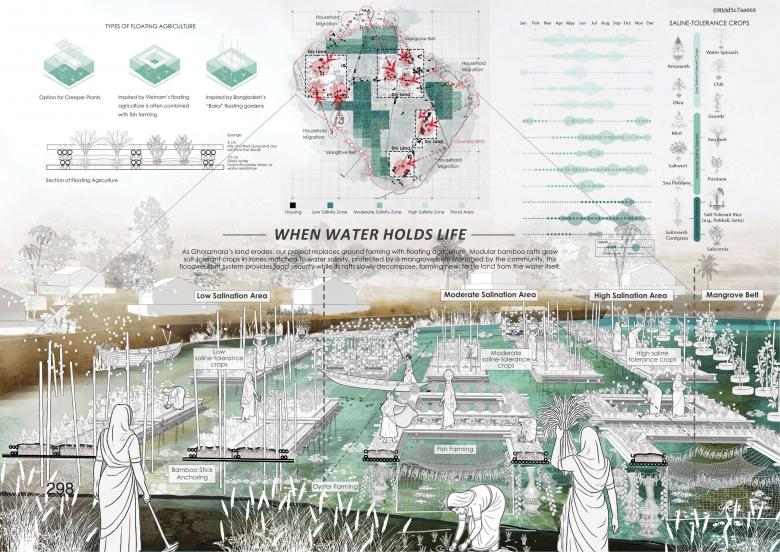
The proposal reimagines productive activities through an adaptive model of floating bamboo agriculture. In the short term, the system supports cultivation under changing water levels; in the long term, decomposing rafts contribute to sediment accumulation and soil formation, while the expansion of mangroves reinforces coastal protection. The temporal progression—from floating infrastructure to the gradual consolidation of new fertile soil—was described by the jury as clear and convincing.
Fifth Prize: Structures That Dissolve Into the Alpine Landscape
Team leader: Armin Maierhofer
Nationality: Austria
University: Royal College of Arts – School of Architecture (United Kingdom)
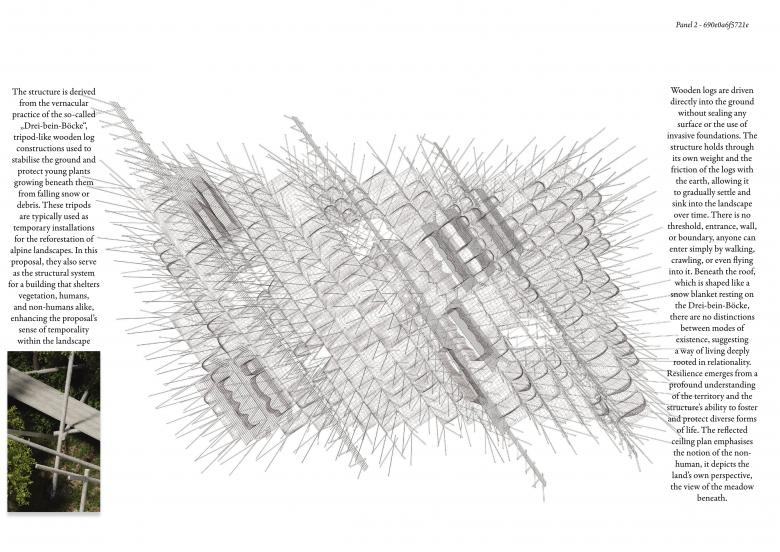
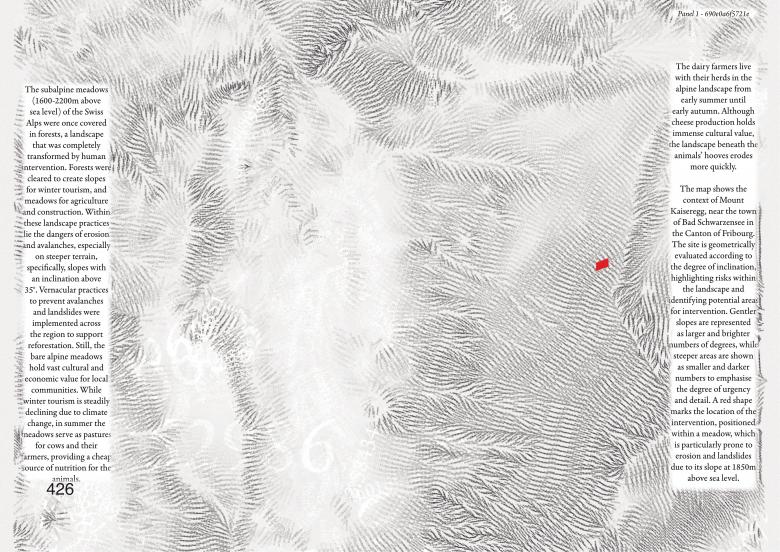
The proposal addresses the alpine meadows of Mount Kaiseregg (Switzerland), where erosion, climate change, and livestock farming practices threaten a fragile ecosystem. The project does not treat instability as a problem to be solved, but rather as an ongoing process with which architecture must engage.
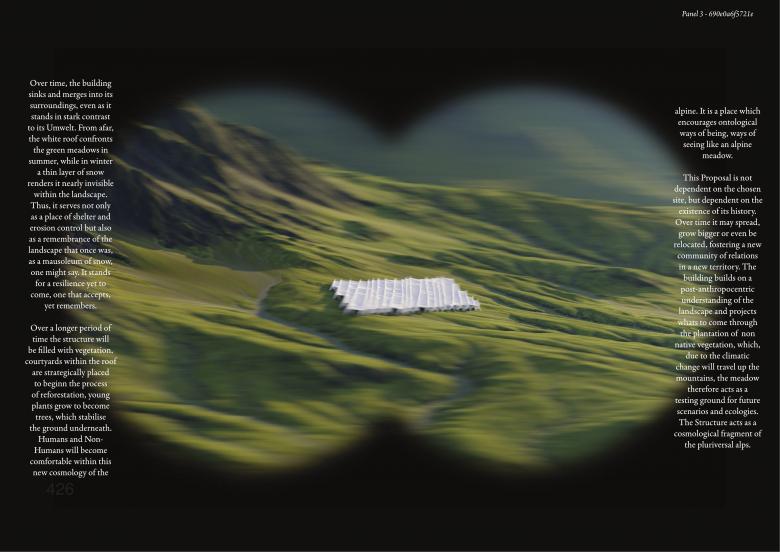
The formal innovation lies in the use of temporary wooden tripod structures: simple, affordable elements that protect vegetation and initiate assisted reforestation. As the structures sink and decompose, they become integrated into the landscape, enabling ecological succession and the emergence of a post-anthropocentric alpine ecology governed by natural processes. Their potential as a replicable model for eroded mountain ecosystems was one of the jury's central arguments for their recognition.
Alongside the five awards, the jury gave five honorable mentions that broaden the thematic and geographic scope of the competition. A team from Waseda University Graduate School proposes micro-interventions in the dense wooden fabric of Sora-bori, Osaka, respecting historical typologies and local construction methods. From Tsinghua University, a project addresses community fragmentation in a village on the outskirts of Beijing through small modular pieces—called “knots”—that reorganize shared spaces. The European University of the Canary Islands presents a strategy for the Kantamanto market in Accra (Ghana), where textile waste becomes an active agent of ecological and spatial regeneration. Sichuan University proposes a reversible aerial layer for the aging urban fabric of Kowloon (Hong Kong), and the Harvard Graduate School of Design rethinks the railway infrastructure of Broken Hill (Australia) as a support for circular economy and civic resilience in a degraded mining landscape.