2 x 2 = 4 Books from 2 Architects
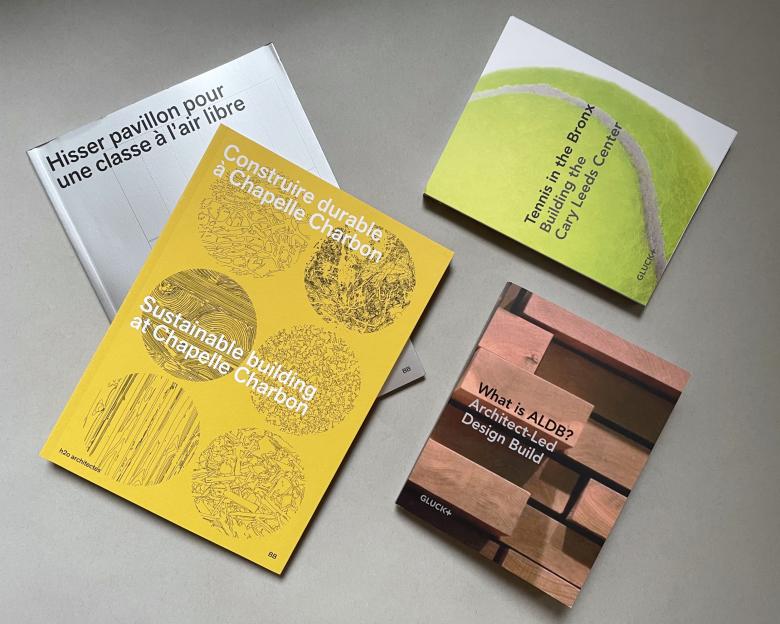
World-Architects recently received four books from two architects: two books from New York's GLUCK+ and two books from Paris's h2o architectes. In addition to being small books relative to the usual monographs put out by the same firms and other architects, the books are parts of ongoing series that see each firm exploiting the potential of books for marketing to potential clients and educating other architects. Here we take a closer look at the four books.
GLUCK+
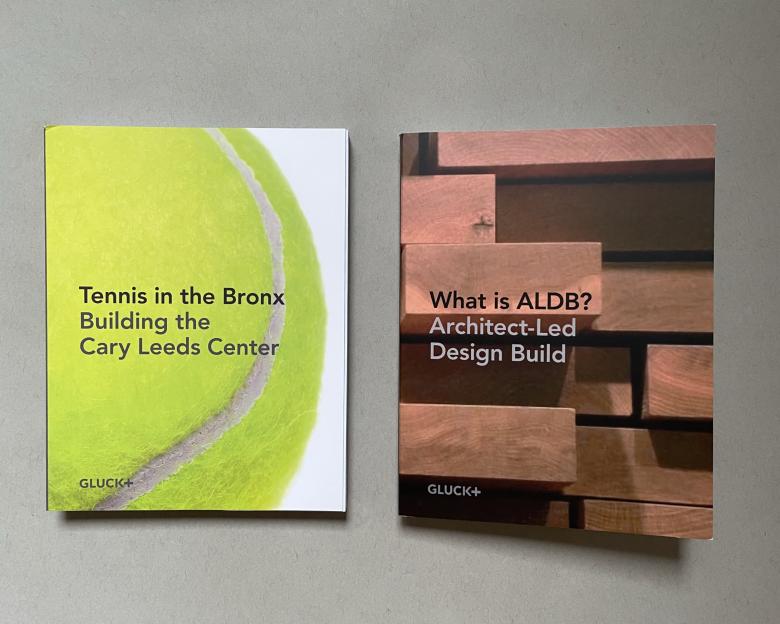
Founded in 1972 by architect Peter L. Gluck, GLUCK+ is an architecture firm based in New York City that sets itself apart from other firms through its embrace of architect-led design build, or ALDB. They put it simply on their website: “We are architects who build.” The firm has served as architect and contractor (and sometimes developer) on a range of projects, from single-family houses and apartment buildings to educational facilities and large-scale adaptive reuse projects. To document and share its projects and ALDB approach with a wider audience, the firm recently launched Booklets, a series of self-published books that “[trace] how ideas, context, and construction shape each project.” Two books in the series have been published to date, as featured below, and three more titles are in the works. Though self-published, the compact (5 x 6.5" / 12.6 x 16.5cm) books are handsome and well made, with smyth-sewn Swiss bindings.
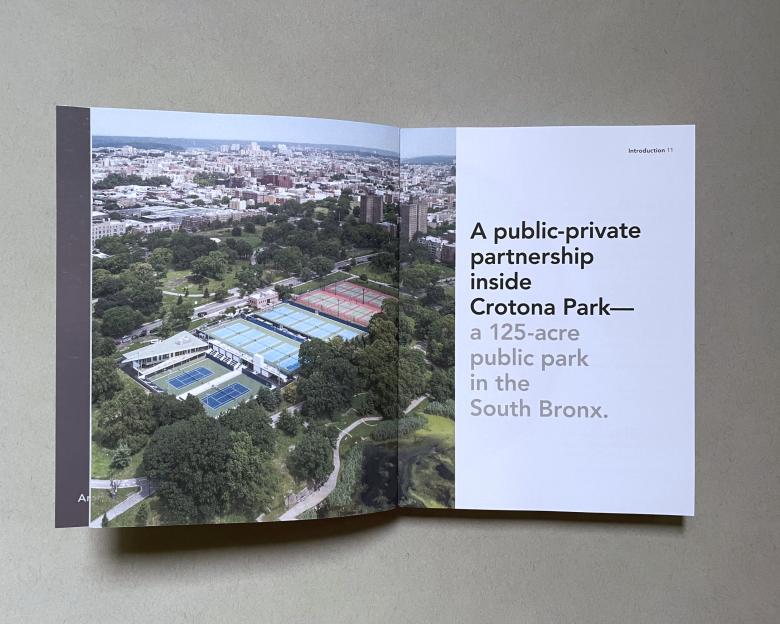
Probably any building in GLUCK+'s portfolio could be a contender for the first Booklet, but the firm opted for the Cary Leeds Center for Tennis & Learning, a recreational facility in Crotona Park in the Bronx. The multi-phase project, completed in 2017, was designed for New York Junior Tennis & Learning, which was co-founded by Arthur Ashe in 1971. The 174-page book begins with histories of the client and the site in the Mott Haven section of the Bronx before documenting the architects' design and construction process. Overall, the book clearly presents the project's site, design, and realization through abundant illustrations and brief texts. Important for GLUCK+, the book allows readers “to recognize the potential of Architect-Led Design Build,” which the second book in the Booklet series treats at length.
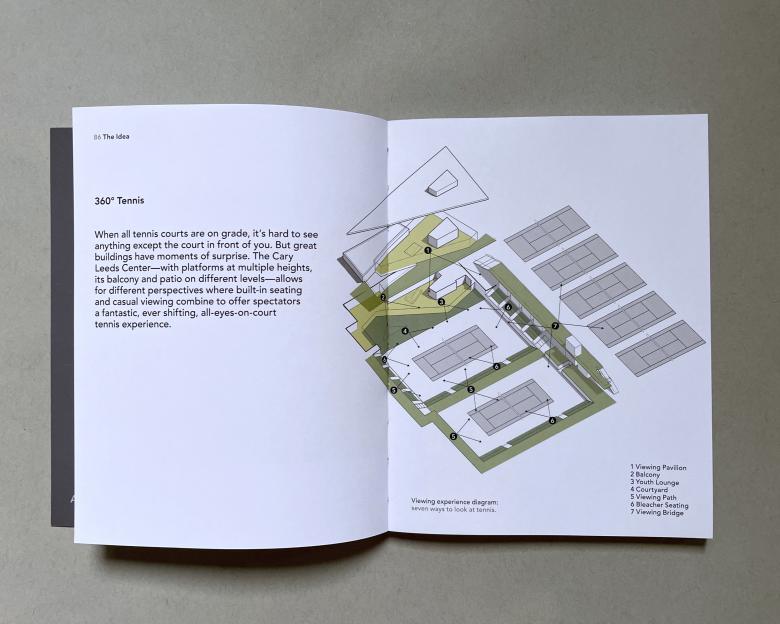
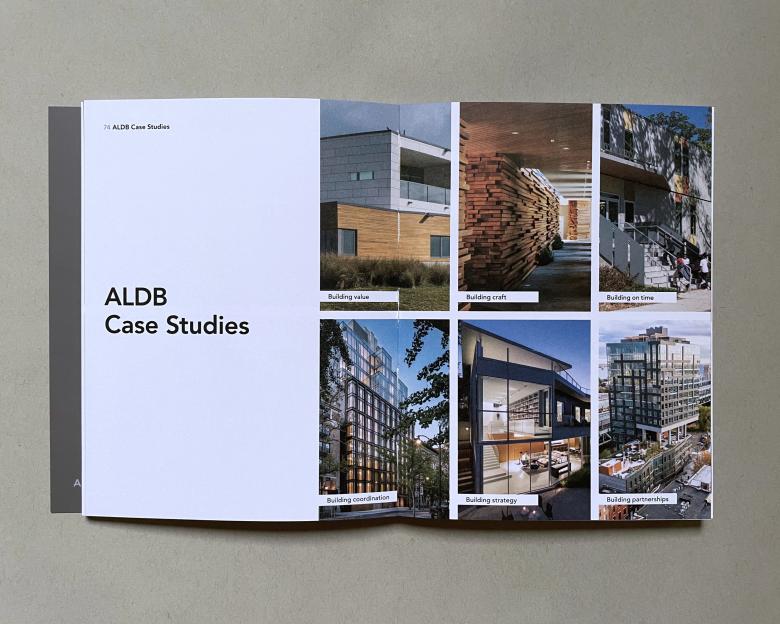
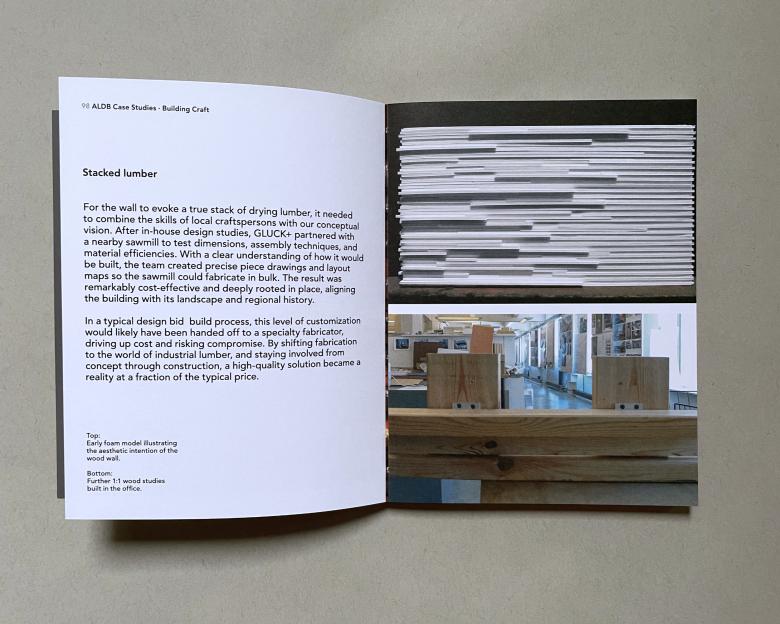
The second title in GLUCK+'s Booklets series devotes 178 pages to answering the title question. The book begins by distinguishing ALDB from the other delivery models that most architects work within, notably design bid build and contractor-led design build. The book touts GLUCK+'s own efforts but also serves as something of an invitation for other architects to consider ALDB, which they argue offer benefits of “deeper collaboration, a more responsive iterative design process, and ultimately both shorter project duration and lower cost.” That is the first half of the book, with the second half devoted to a half-dozen case studies. One of them is the Blue Ridge House in North Carolina, a large house organized about a wood wall detailed to look like the stacks of drying timber found at the area's lumber mills (below spread). The case study focuses on how ADLB enabled the final outcome, while the other case studies in the book illustrate how ADLB impacts other parts of the design and building process.
h2o architectes
Based in Paris, h2o architectes was founded in 2005 by Charlotte and Jean-Jacques Hubert, and the pair was joined by Antoine Santiard as a partner in 2008. The firm's portfolio includes the restoration of numerous heritage buildings, carried out under Eugène Architectes du Patrimoine, with other projects ranging from public spaces and schools to housing and museums. Their diverse portfolio is reflected in the series of slim, bilingual (French/English) monographs the firm has been producing with Building Books, a publisher also based in Paris, since 2020. Two books that year—Building with Limestone in Paris and Place-making at the Madeleine—were followed by two more books last year, the latter of which are presented below.
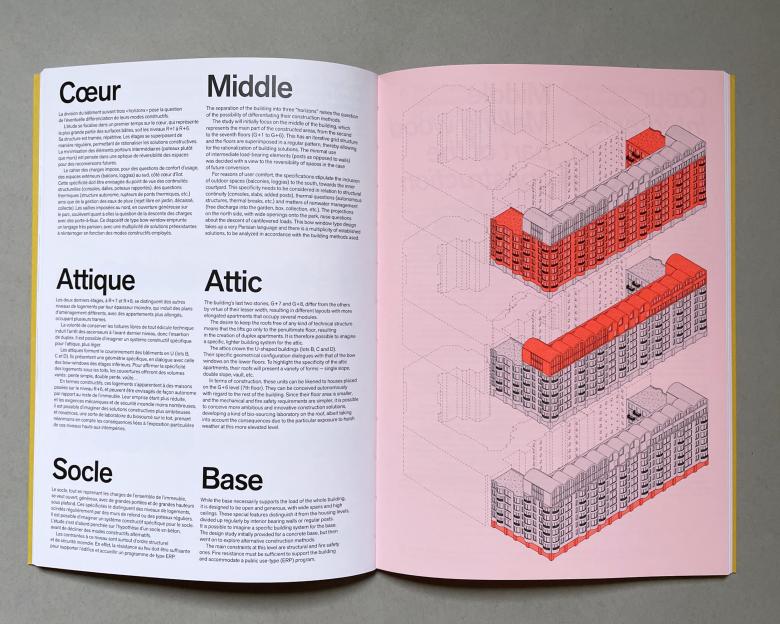
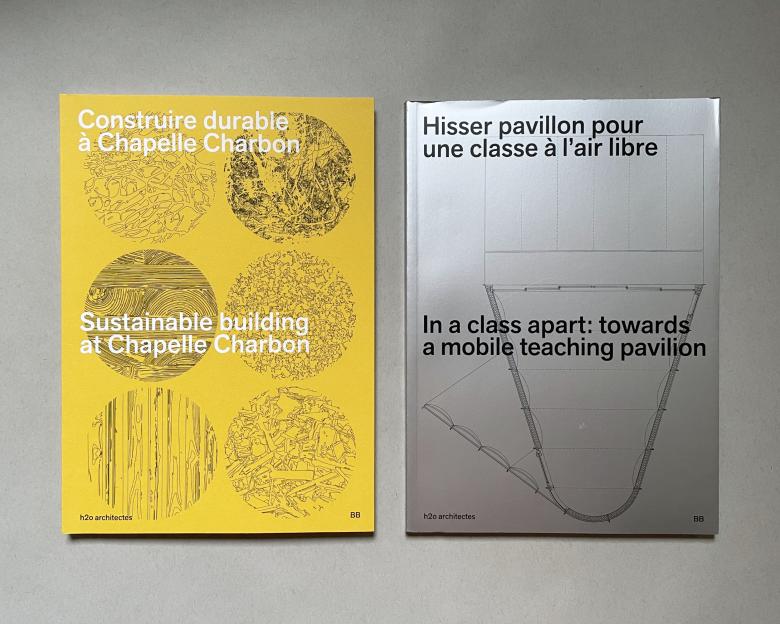
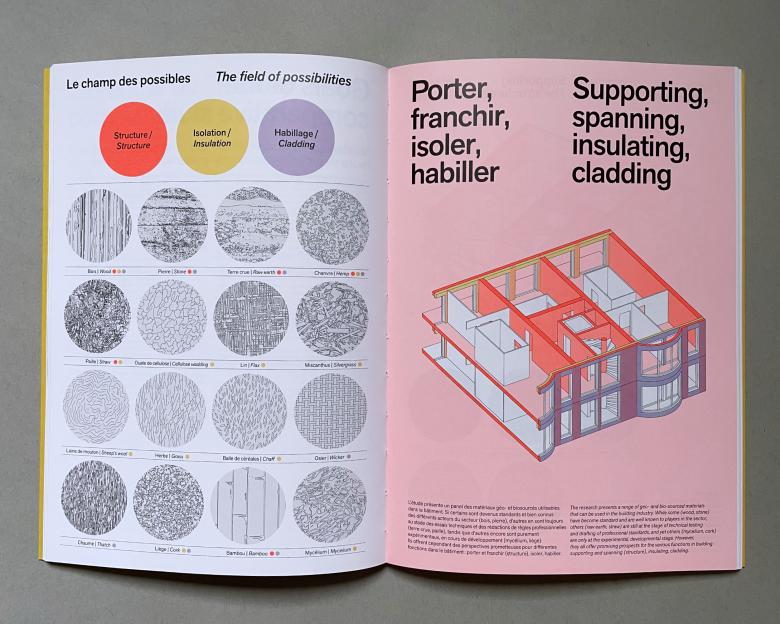
Chapelle Charbon is an urban development site in Paris's 18th arrondissement, near the city's northern edge, for which h2o architectes was hired as urban planner. A portion of the former rail logistics site was turned into a park in 2020, while the remainder is slated for new housing and a school. The client, SPL Paris & Métropole aménagement, wanted bio- and geo-sourced materials instead of concrete for the buildings and commissioned a low-carbon study carried out by h2o architectes with LM Ingénieur, Atelier Franck Boutté, BMF, and Casso & Associés. Sustainable building at Chapelle Charbon thoroughly documents their exploration of different materials for structure, insulation, and cladding: wood, stone, hemp, straw, cork, and so forth. The book is as technically thorough as it is beautifully presented, with the architects many cutaway isometrics accompanied by materials photographed by Julien Lelièvre.
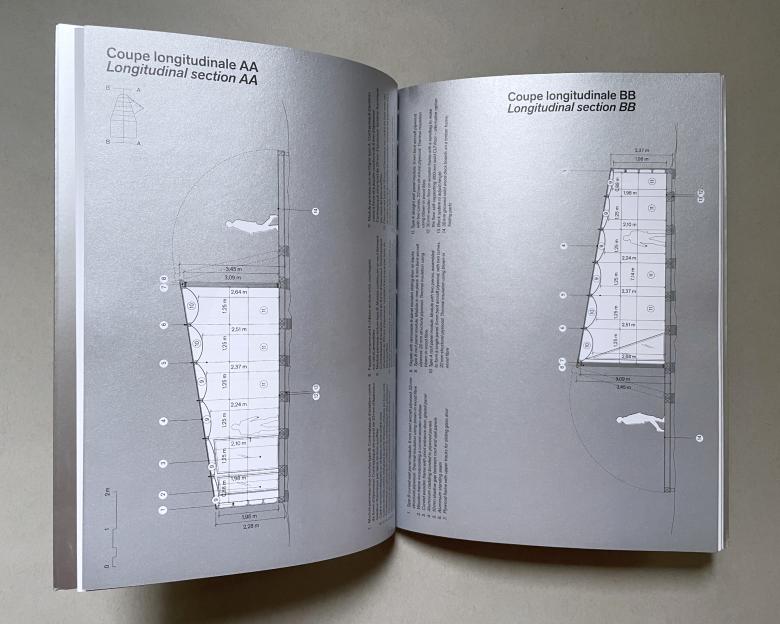
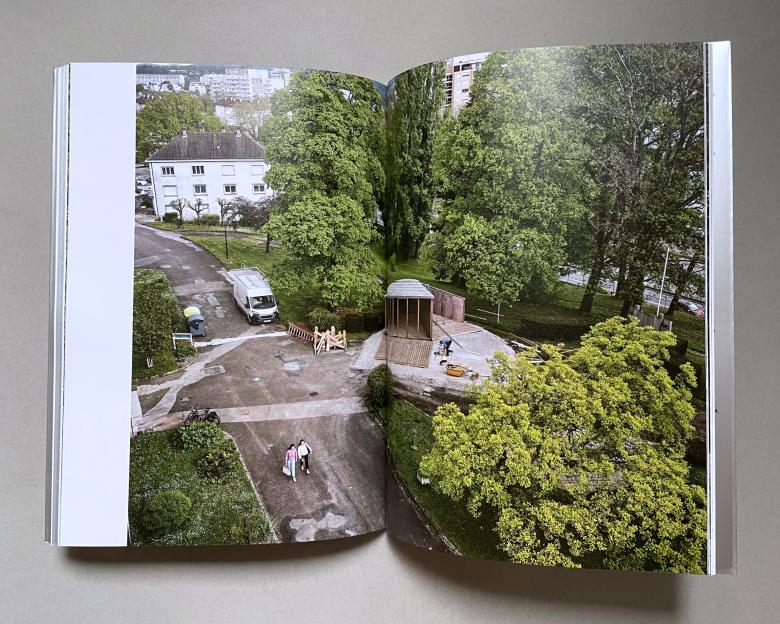
Whereas Chapelle Charbon is a large project taking on a large topic (reducing carbon and increasing the use of renewable materials in the building sector), the fourth book in h2o architectes' monographic series looks at a small-scale bespoke built project: Fabrique, a competition-winning mobile classroom in the Bourgogne Franche-Comté region of France. In a class apart: towards a mobile teaching pavilion documents the design and realization of the project, which is basically a tapered room defined by modular panels covered in aluminum on the outside and wood on the inside. The long side of the classroom consists of sliding glass walls opening up to a park. The book features an essay by Andrew Ayers, author of The Architecture of Paris, numerous architectural drawings on silver paper, and photos of the building under construction and after completion. Like the rest of the series, the 88-page book is 17 x 24cm (6-3/4 x 9-1/2"), has French flaps, and is beautifully produced.