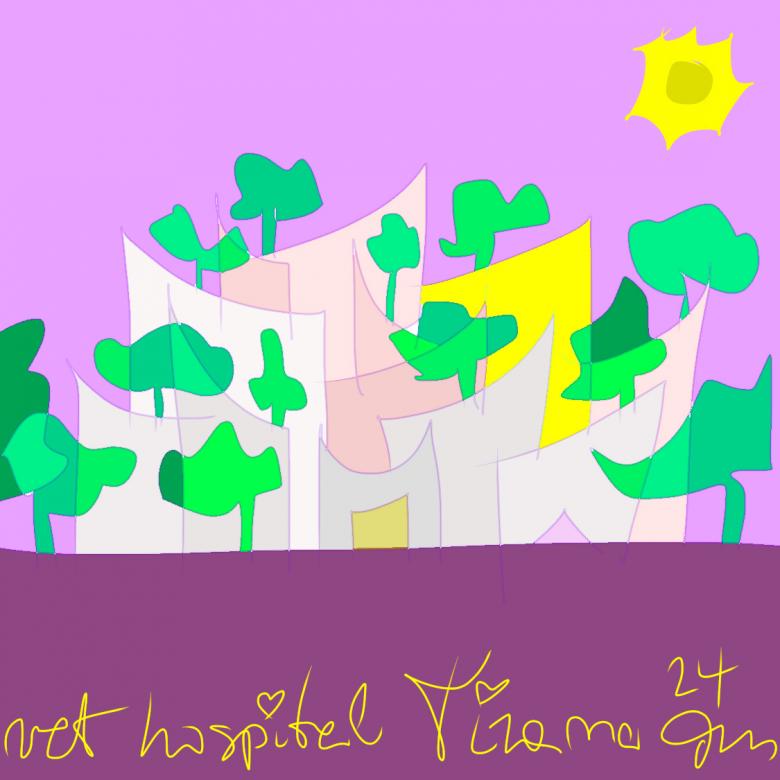
Vet Hospital
A Space of Healing
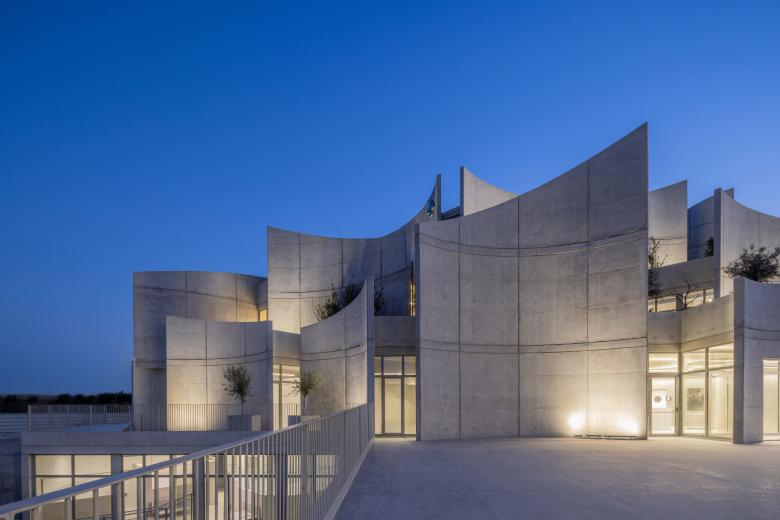
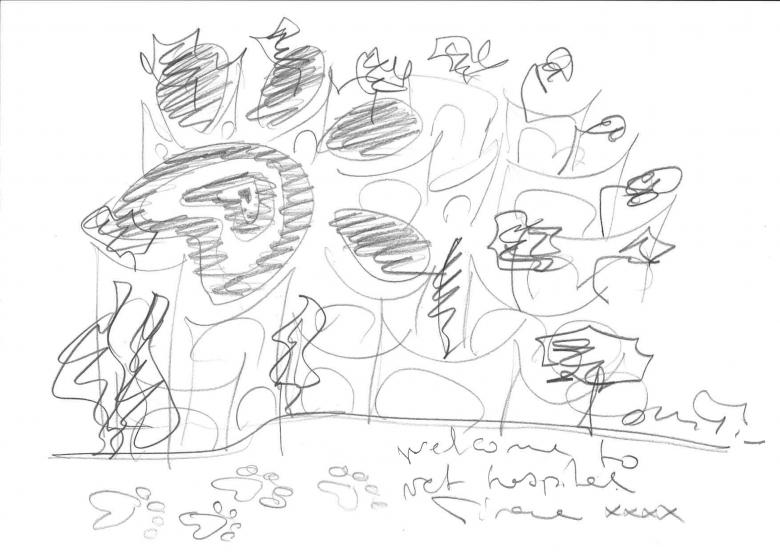
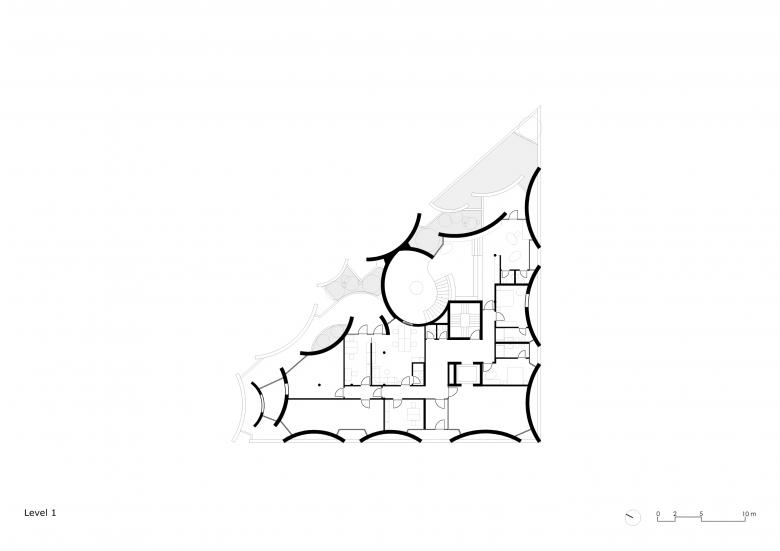
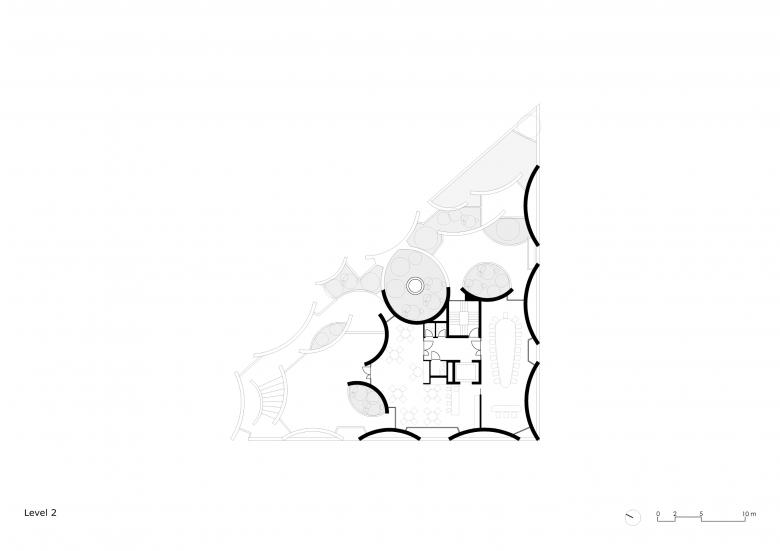
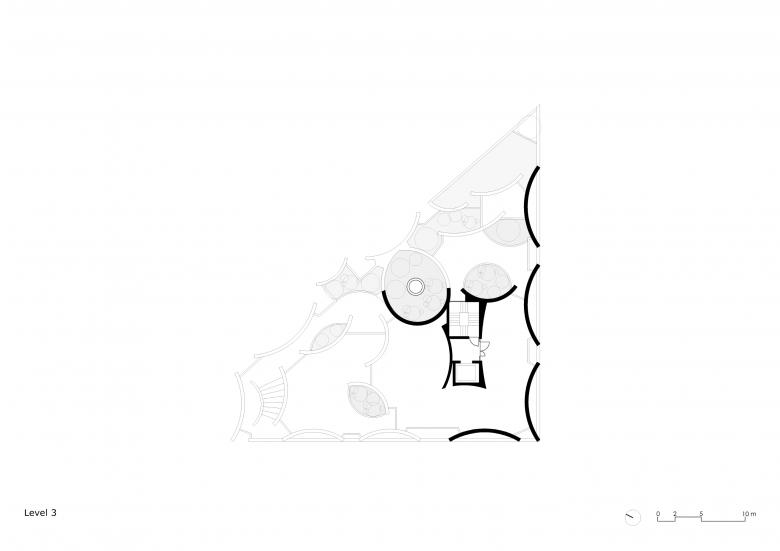
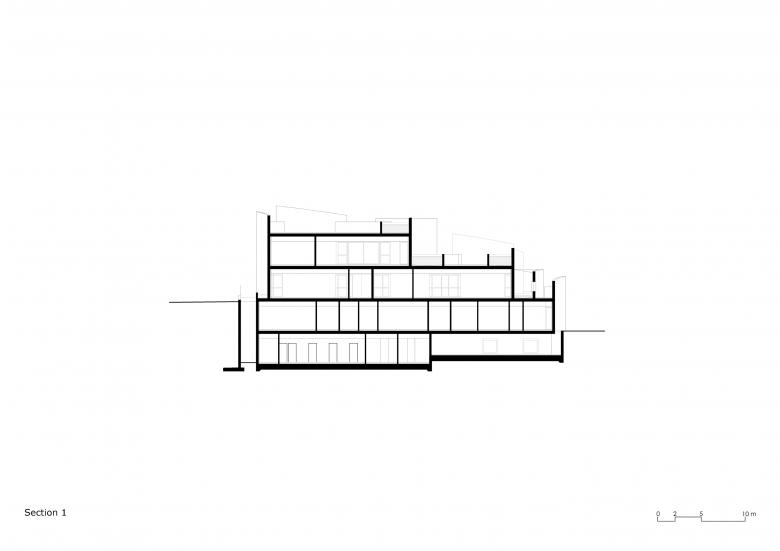
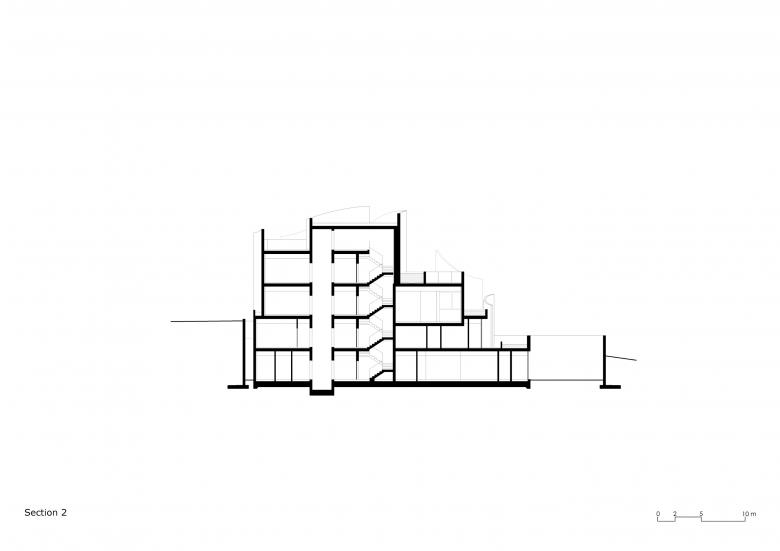
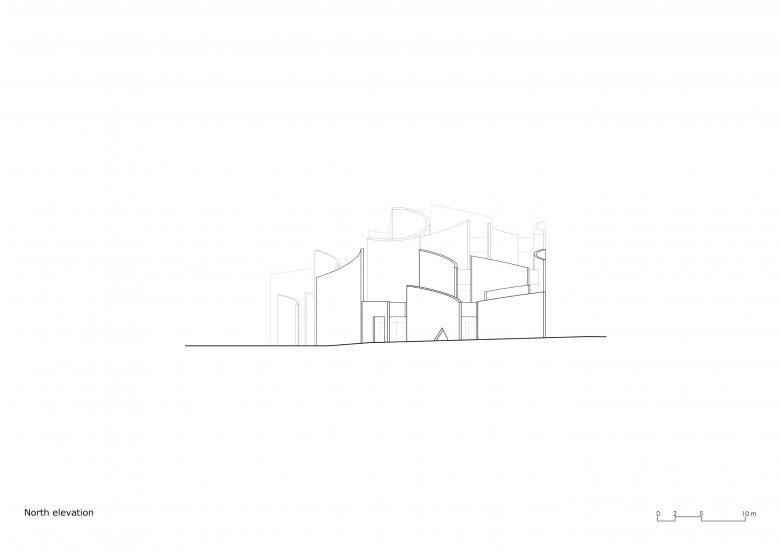
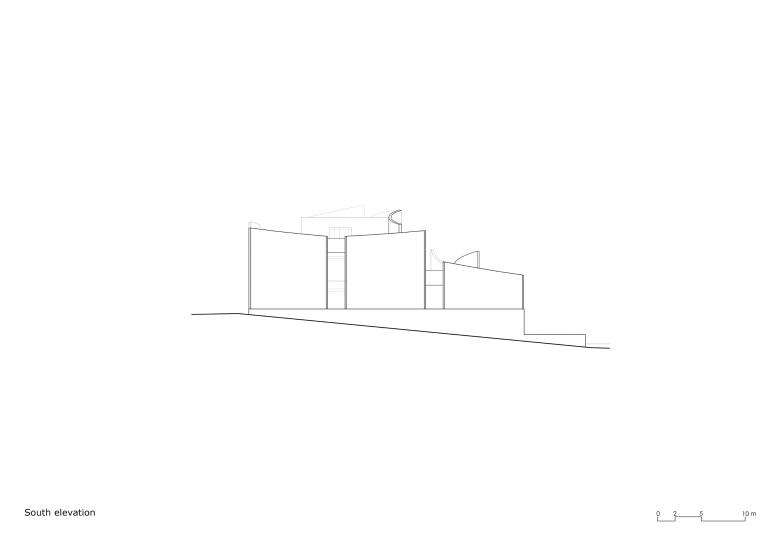
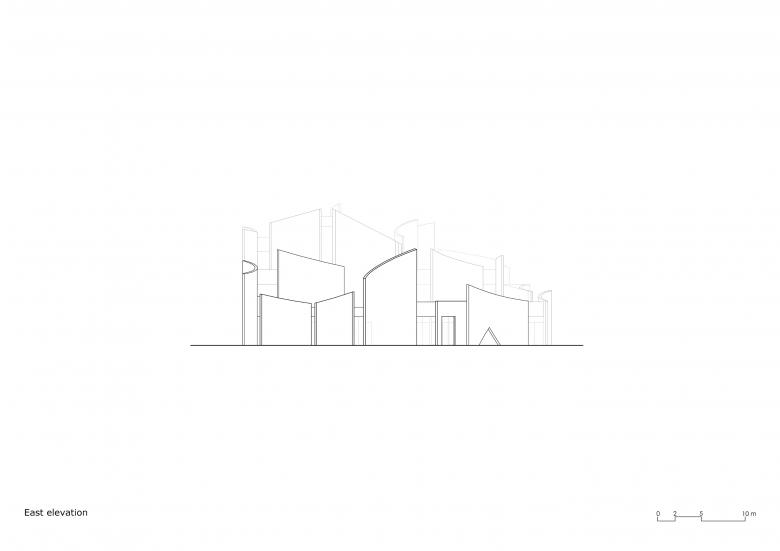
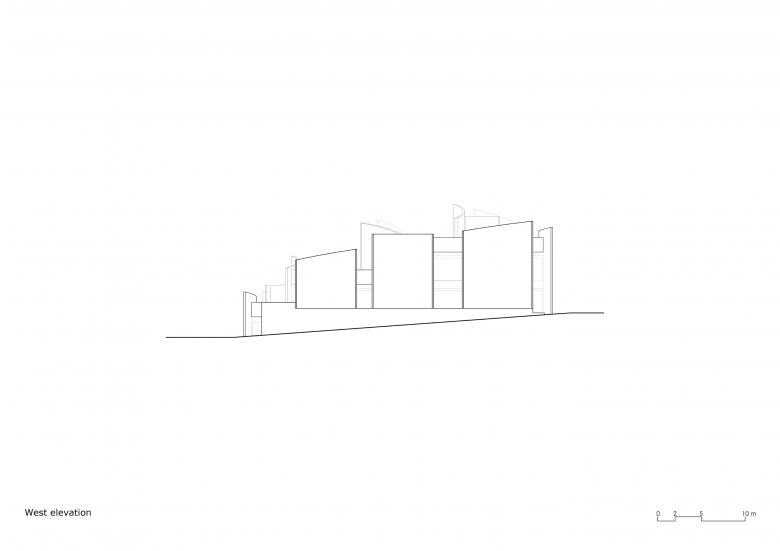
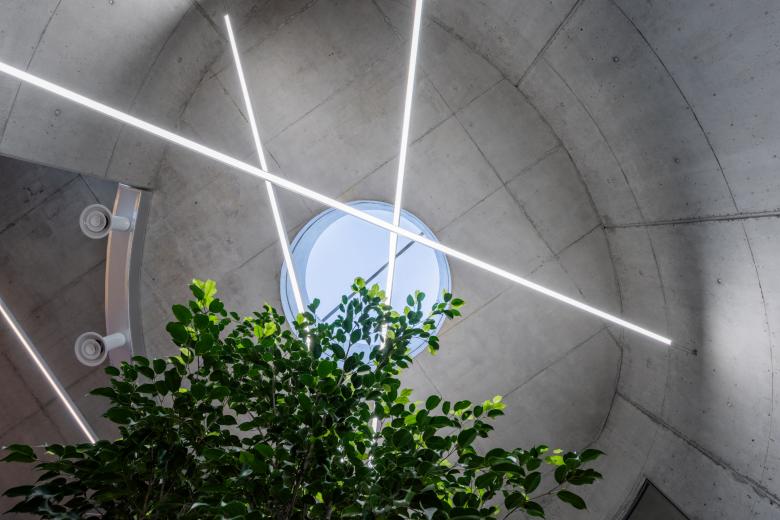
Concave concrete “blades” rise, crescendo-like, across the three floors of the Vet Hospital in Tirana, Albania, designed by Davide Macullo Architects. The curved walls further define the interior spaces that the Swiss architect designed to “dismantle the primordial fear of confinement” and, in response to our questions about the project, as a place that “rebels against the ‘box-ification’ of artificial habitats.”
What were the circumstances of receiving this commission?The project was not commissioned through a competition, but via a direct assignment. We were introduced to the owners of Vet Hospital by former clients; the ownership chose us as their architects despite being questioned on why they didn't opt for a simpler, more budget-friendly alternative. Their vision was to combine functionality with an architecture that is sensitive, thoughtful, and human-centric.
They entrusted us to build their world and realize the clinic they had always dreamed of. We are proud to have been chosen and, above all, to see their continued joy and positive feedback a year after completion. Seeing a dream take shape through our design and bringing happiness to both our clients and their patrons, is a source of immense pride. It reflects the passion that defines our work—not as mere productivity, but as the creation of projects that truly do good.
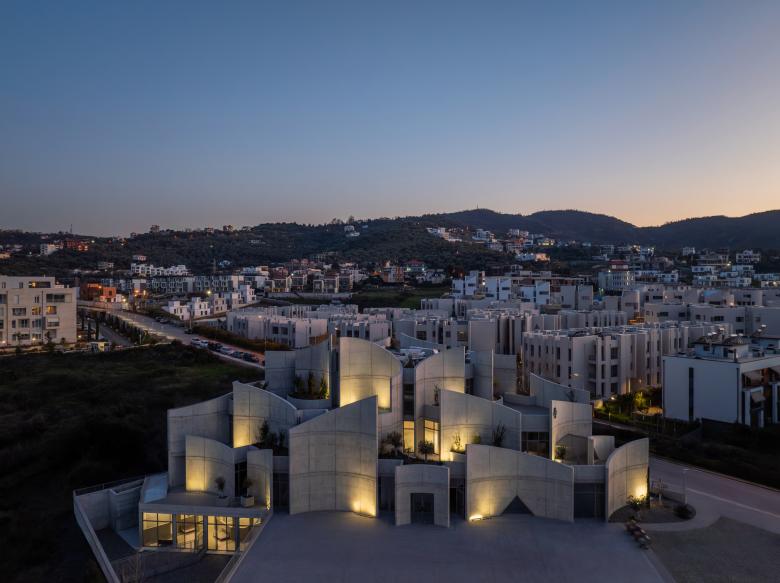
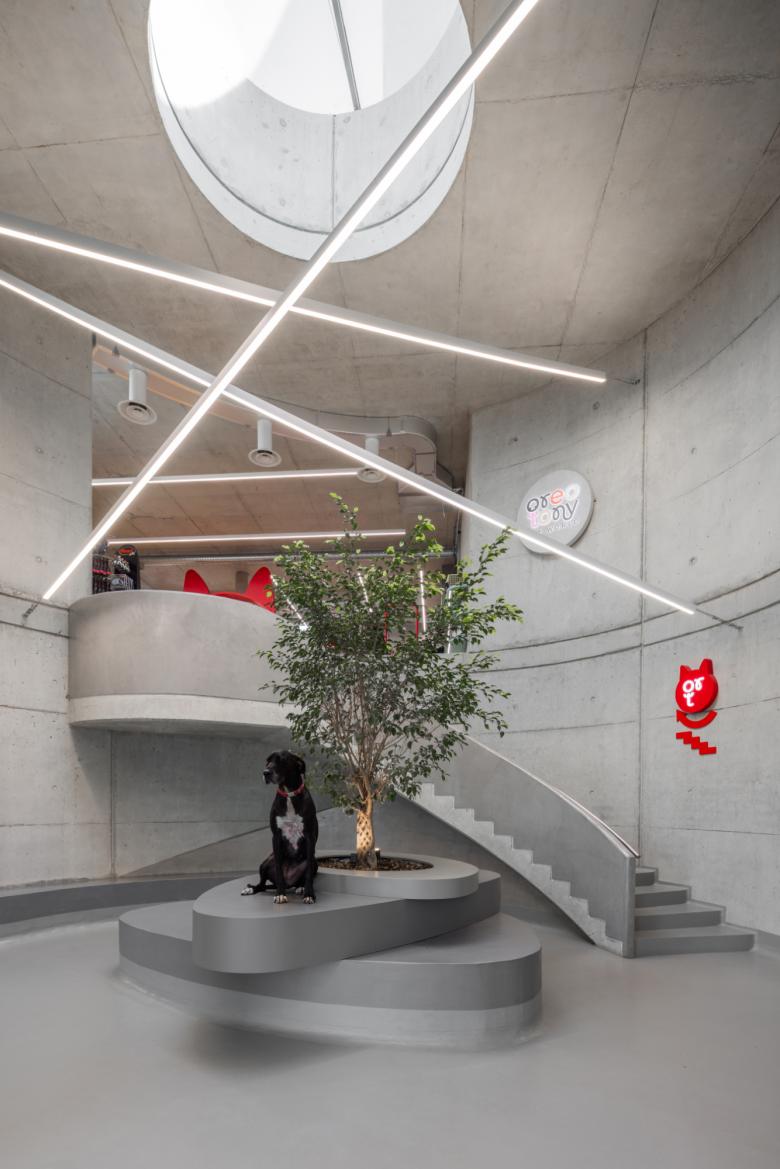
This project is specifically conceived to enhance the healing process, with a profound focus on the health and tranquillity of patients, medical staff, and owners alike. The contrast between soft, organic forms and the raw strength of brutalist concrete adds both functional durability and aesthetic depth. Here, terraces and gardens are far from merely decorative; they serve as therapeutic lungs, offering light, air, and a vital connection to nature.
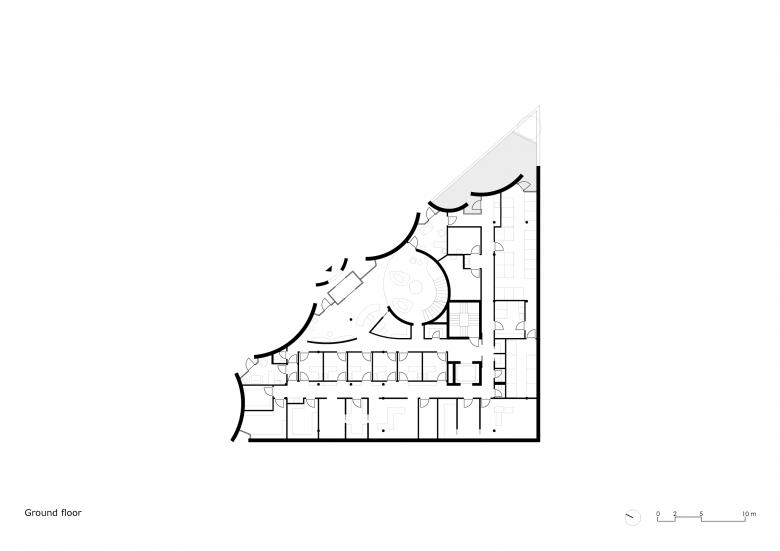
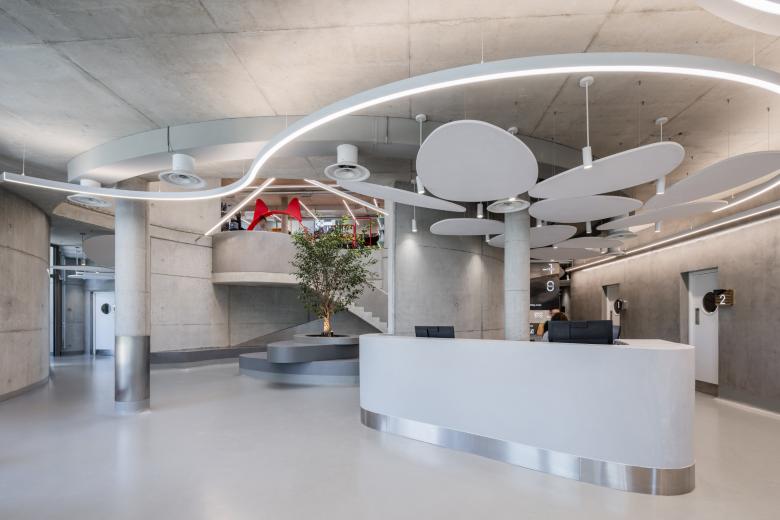
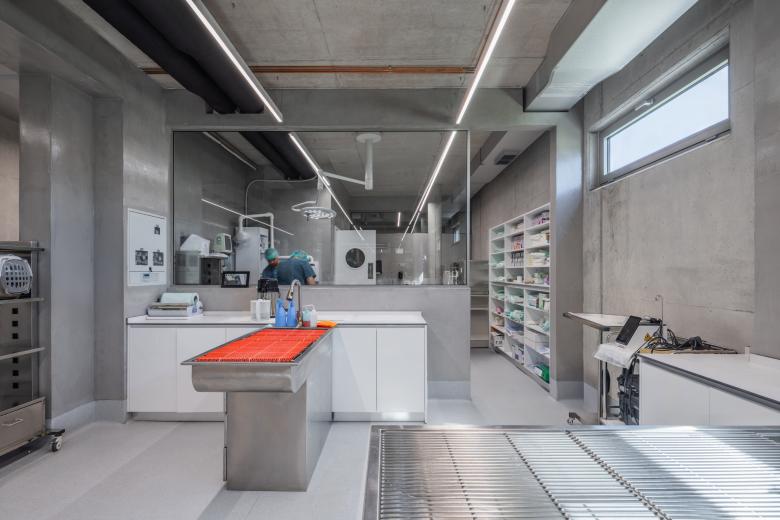
Inside, the hospital is meticulously planned to address the psychological needs of its occupants. Just as in human healthcare, environmental psychology plays a critical role—ensuring that different species, especially natural adversaries, feel secure. The spatial organization for cats and dogs follows the same human-centric principles: comfort, necessary separation, and a thoughtful approach to coexistence.
For the staff, it is a thriving, positive environment where expertise, technology, and humanity converge. For clients—both human and animal—it is a place that begins to heal even before they step inside; a place that feels like home. It is where humanity reunites with nature in a living, sensitive way.
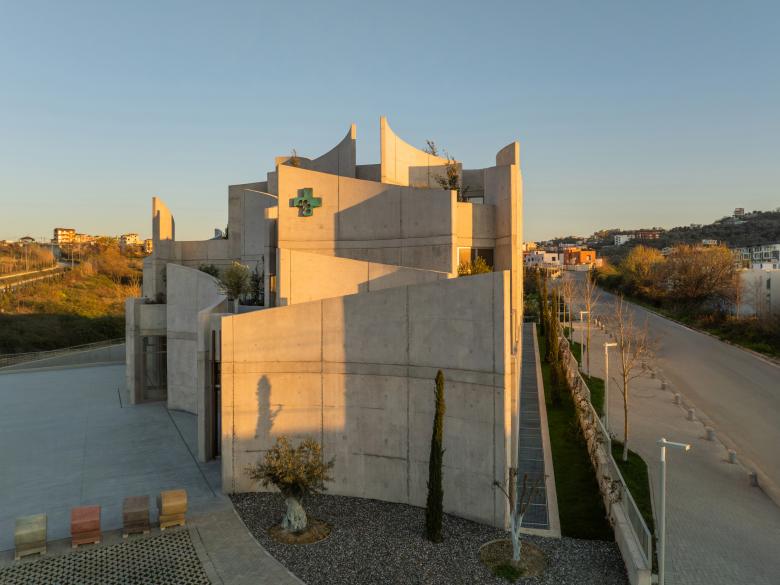
The fluidity of the curves and the intuitive layout dismantle the primordial fear of confinement. We design organic environments to be welcoming, never hostile, because navigating a space is, above all, an emotional journey. Spatial orientation is guided by a continuous decision-making process involving the limbic system, the prefrontal cortex, and the amygdala. When this process is marred by confusion or frustration, it triggers anxiety.
By honoring our “animal instincts,” we prioritize paths that are simple, direct, and well-lit—designs that conserve emotional energy and counteract ancestral fears. We provide clear wayfinding and easily accessible escape routes, creating spaces that respect our deepest nature and foster experiences of wonder and well-being.
Our memories are woven with emotional threads, and our minds are naturally subject to negativity bias—the tendency to remember negative events more vividly than positive ones. Aware of the fragility of certain life moments, we feel the duty to embrace individual emotions by designing places capable of generating positive memories. We strive to build beauty and comfort because we know that the difficult moments will, inevitably, leave their mark on their own.
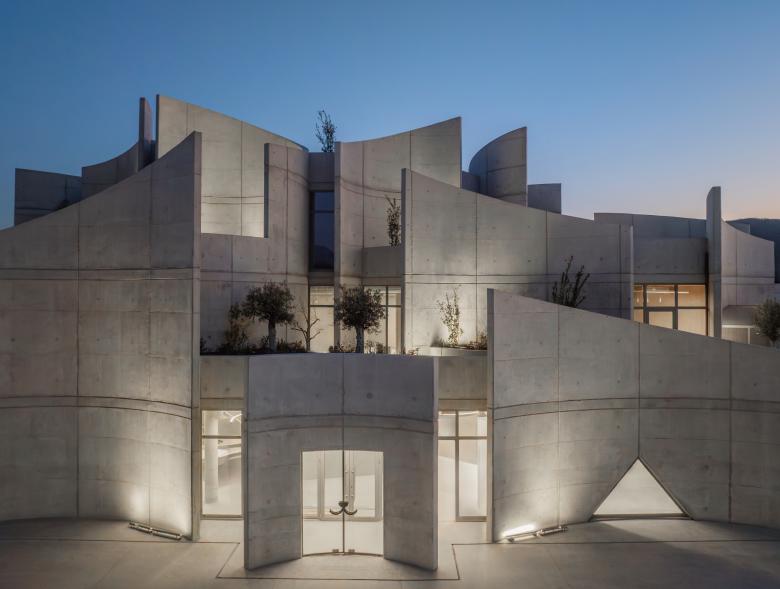
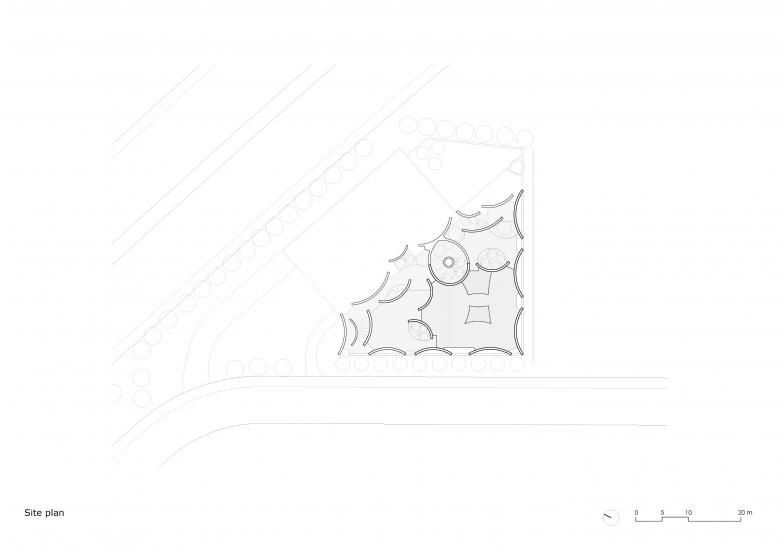
This structure draws inspiration from Land Art. It is an exercise in creating filters rather than walls—elements that orchestrate the flow between interior and exterior; stalks that unite rather than barriers that divide. The glass, which allows light to penetrate between the concrete blades, is a technical component, yet not essential to grasping the conceptual meaning of this landscape sculpture.
The dialogue between inside and outside is the heart of this composition, reflecting on the relationship between the artificial and the natural, while placing permeability and hospitality at the core of our practice. The resulting environments embody our vision of transforming “space” into “place,” achieved through the deliberate control of natural light that diffuses, slides, and caresses the walls seamlessly. It is a play of light and shadow designed to evoke a sense of joy. The use of raw, sincere surfaces, through the expressiveness of concrete, evokes the feeling of caverns carved into stone.
A workspace is, above all, a living space. Architecture is the most complete art form: the craft of drawing meaningful lines that, once transformed into walls and openings, reveal the architect's joys, passions, and intentions. It is more than just building structures; it is about creating meaningful places that resonate with life, culture, and nature. Our work challenges orthodoxy, infusing design with flair and a deep understanding of the psychology of space.
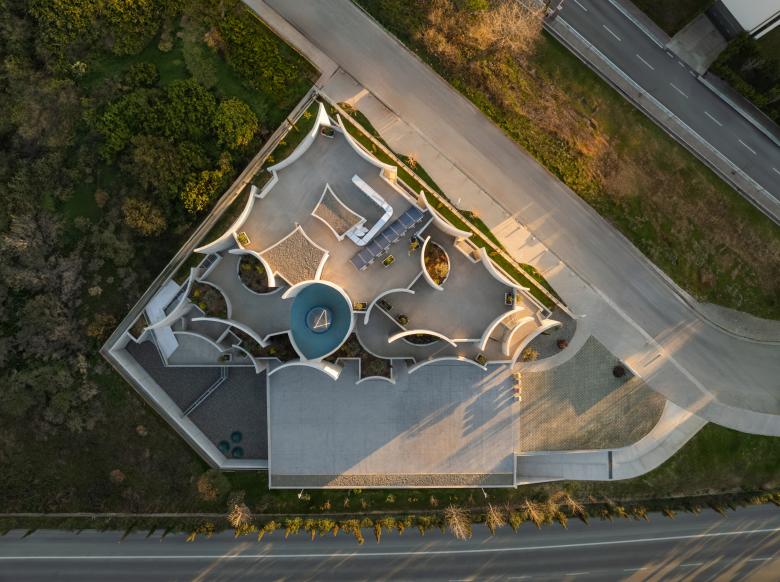
The Vet Hospital is perfectly integrated into the natural landscape. The building emerges from the greenery and stands respectfully alongside the Green Valley residential complex. It dialogues with the territory to become both a symbolic and functional landmark: a welcoming threshold at the gateway to the city.
The sculptural concrete surfaces grant the building a “suspended solidity”—stable over time yet radiating a protective and enveloping warmth rather than coldness. Drawing on deep anthropological elements, this space is more than a structure; it is a dynamic, vibrant, and living place where both people and animals feel inherently secure.
We do not perceive forms merely as solids filling a void. Forms speak to us; they move us and permeate our being based on how our bodies sense and interpret them. Tuning into the surrounding space—capturing its sensations, rhythms, and proprioception—is only possible when that space is designed with true harmony.
To give life to an atmosphere means allowing visitors to enter a state of resonance and identification—sensorimotor, emotional, and cognitive—with their environment. It is about forging a profound connection between the human being and the inanimate reality of a place, enabling an authentic spatial empathy: a kind of embodied simulation of perceived architectural qualities.
The plasticity of forms and the upward aspirational surge - which evokes curiosity, lightness, and joy rather than ancestral fear - are the fundamental prerequisites for creating a harmonious atmosphere. The Vet Hospital in Tirana was born from this dialogue between opposites that, when united, generate balance: a place of sanctuary, care, and a passion for beauty.
The Veterinary Hospital is a fortunate building—a true place—that gratifies all who conceived, debated, designed, and built it. Above all, it honors those who championed it, its “parents”: Emre and Marvin. Together with the builder, Pandi, they believed in their vision and their desire to celebrate their lifelong passion for veterinary medicine through architecture.
They were often asked why they invested such immense resources into a building that could have been resolved with a simple prefabricated box. Their response, filled with pride, was simple: it made them happy. And is it not in happiness that the very meaning of life resides?
The clients, who would inhabit this workspace every day, entrusted us with the design of the hospital, demonstrating profound faith in our work. They walked alongside us through every phase of design and construction, fully invested in the process.
This place rebels against the “box-ification” of artificial habitats. It restores the dignity of human craftsmanship within a community that experiences the built landscape even from the outside. We refuse to let the community endure a coexistence with speculative horrors, void of meaning. Instead, through the power of ideas and determination, we offer meaningful and genuinely beautiful landscapes—landscapes that are "good" in their genesis and born from a positive vision of existence.
This project belongs to a broader movement—a renaissance of intelligent and soulful architecture. As a society, we must navigate the tension between rigid, dogma-driven design and a more humanistic, nature-centered approach. Too often, modern architecture seeks to dominate the environment rather than harmonize with it, forgetting that nature is not separate from life—it is life itself.
Now is the time to plant the seeds of quality architecture: design that respects ecology in the broadest sense—encompassing climate, biodiversity, and history—as well as in the human sense, honoring anthropology, sociology, and psychology. The Veterinary Hospital is one such seed. It represents a shift from static, commemorative spaces to dynamic, immersive places that invite life to flourish. It stands as a tribute to passionate craftsmanship, visionary clients, and a shared desire to create something both functional and extraordinary. This is architecture that challenges conventions, but more importantly, it is architecture that serves, heals, and inspires.
Our approach to the psychology of space and neuroscience is the common thread woven through all our projects. It allows us to give life to diverse typologies in varying contexts, all held together by a human-centric matrix. We prioritize a conscious design, one that is empathetic toward those who inhabit the space and fueled by a profound love for our job and the world.
Email interview conducted by John Hill.
Location: Tirana, Albania
Client: Vet Hospital
Architect: Davide Macullo Architects, Lugano
- Design Principal: Davide Macullo
- Project Architect: Aileen Forbes-Munnelly
- Design Collaborators: Andrea Carlotta Conti, Samantha Capoferri, Lorenza Tallarini
Landscape Architect: Davide Macullo Architects
Interior Designer: Davide Macullo Architects
Contractor: Z. Pandi Carapuli, EUROCOL
Site Area: 2,046 m2
Building Area: 712 m2