Monologue
An Architecture of 'Quiet Narrative'
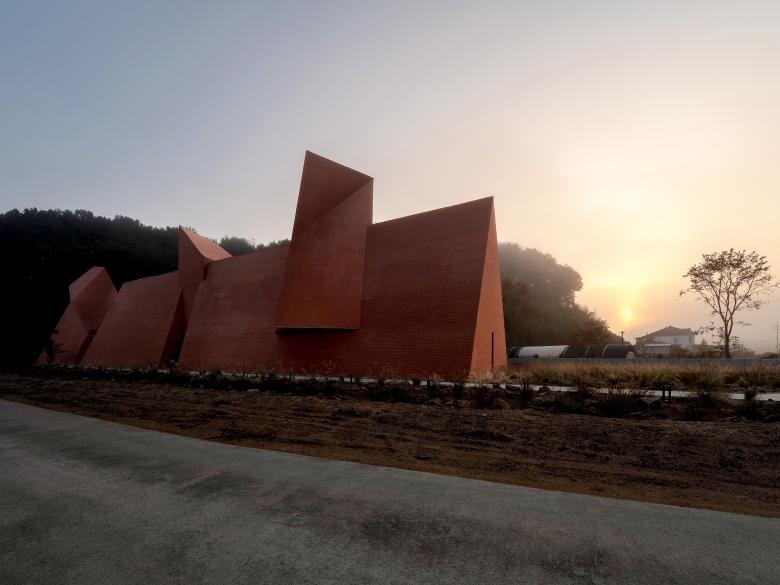
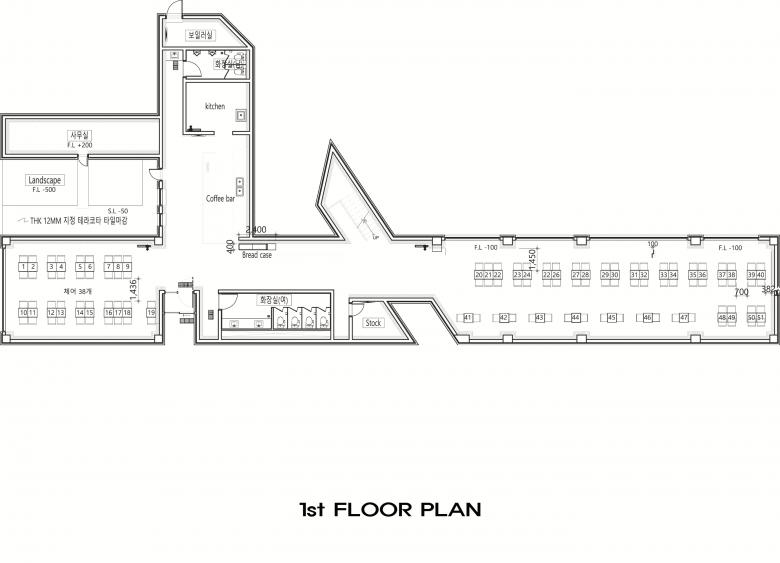
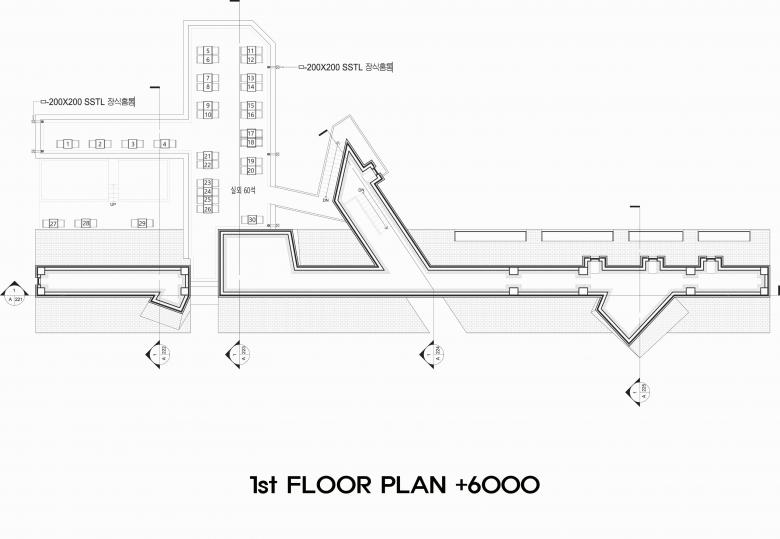
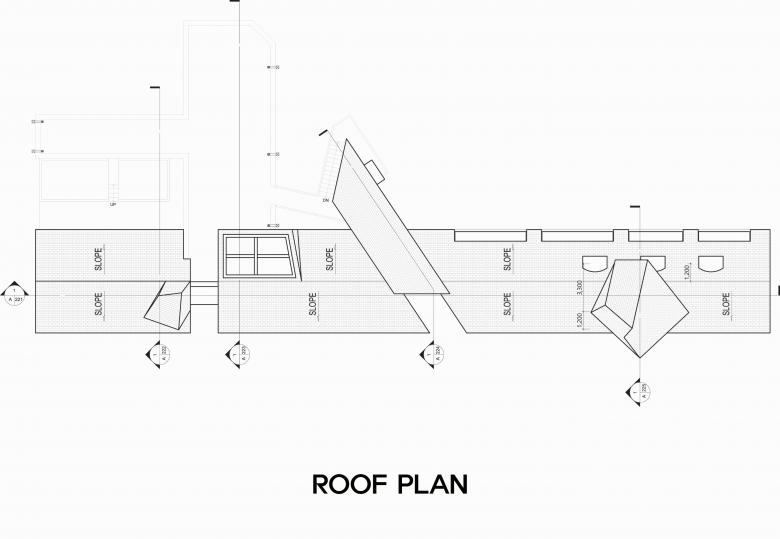
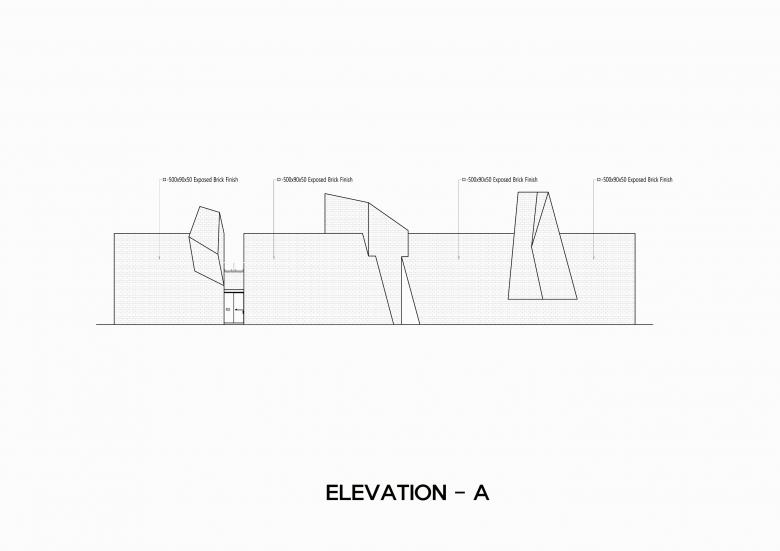
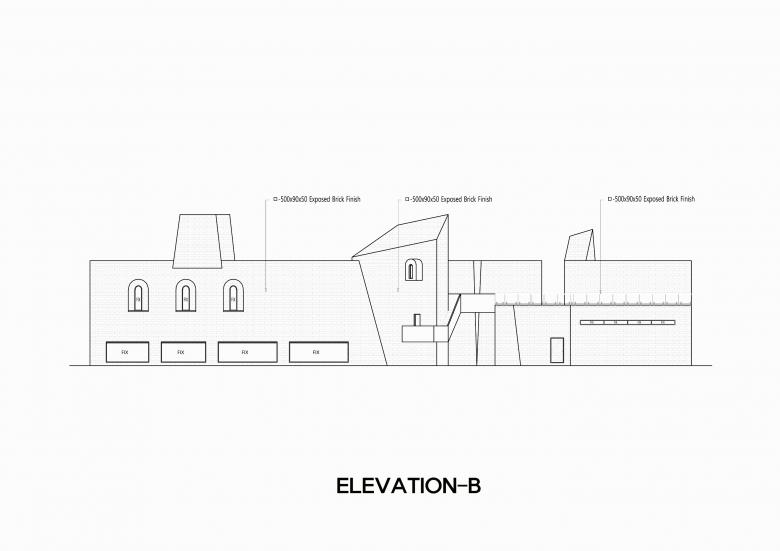
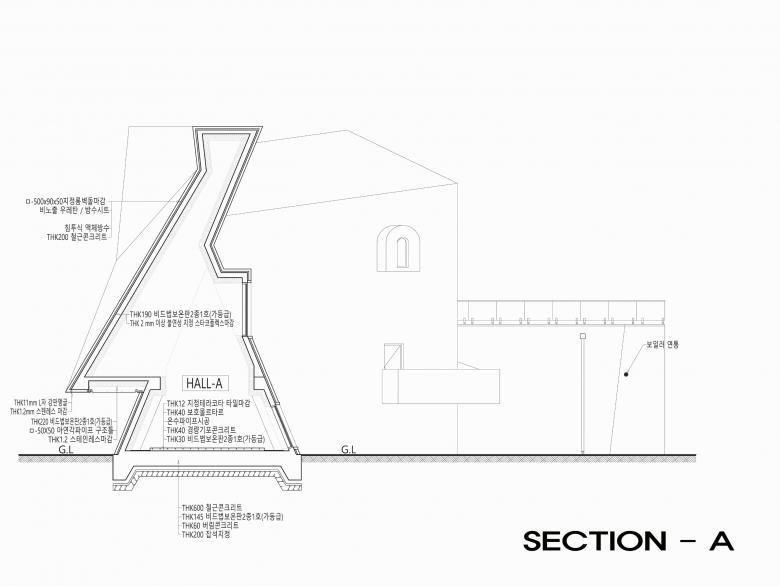
As designed by SOSOKKI ANAC, the firm of architect Gi-Tae Chung, the recently completed Monologue Café is a prismatic brick volume outside and “a space of introspection rather than consumption” inside. The project explores how architecture can “embody a quiet narrative.” Gi-Tae Chung answered a few questions about the project.
What were the circumstances of receiving this commission?This project was not the result of a competition or formal RFP process. Instead, it began through a direct connection with the client, who was seeking to create a space that goes beyond a typical café. From the beginning, the intention was to develop a place with a strong narrative and spatial identity, rather than a purely commercial venue. The project evolved through close collaboration and dialogue, allowing the concept to grow organically.
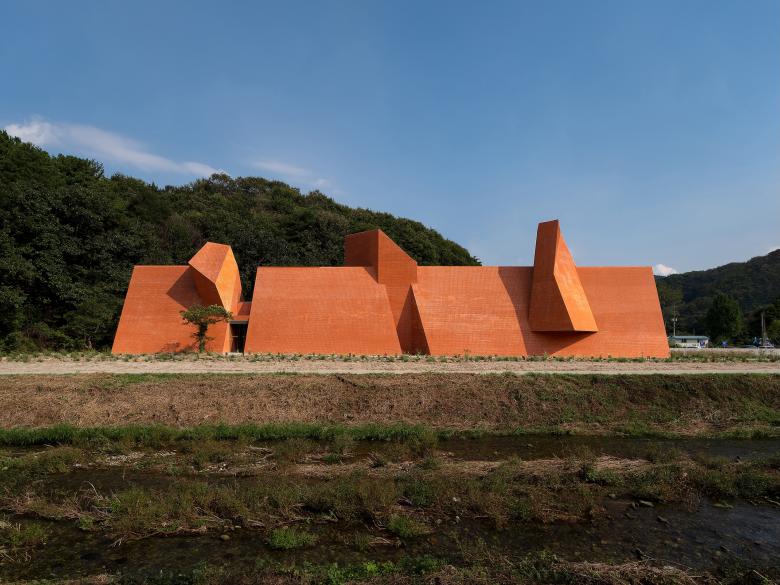
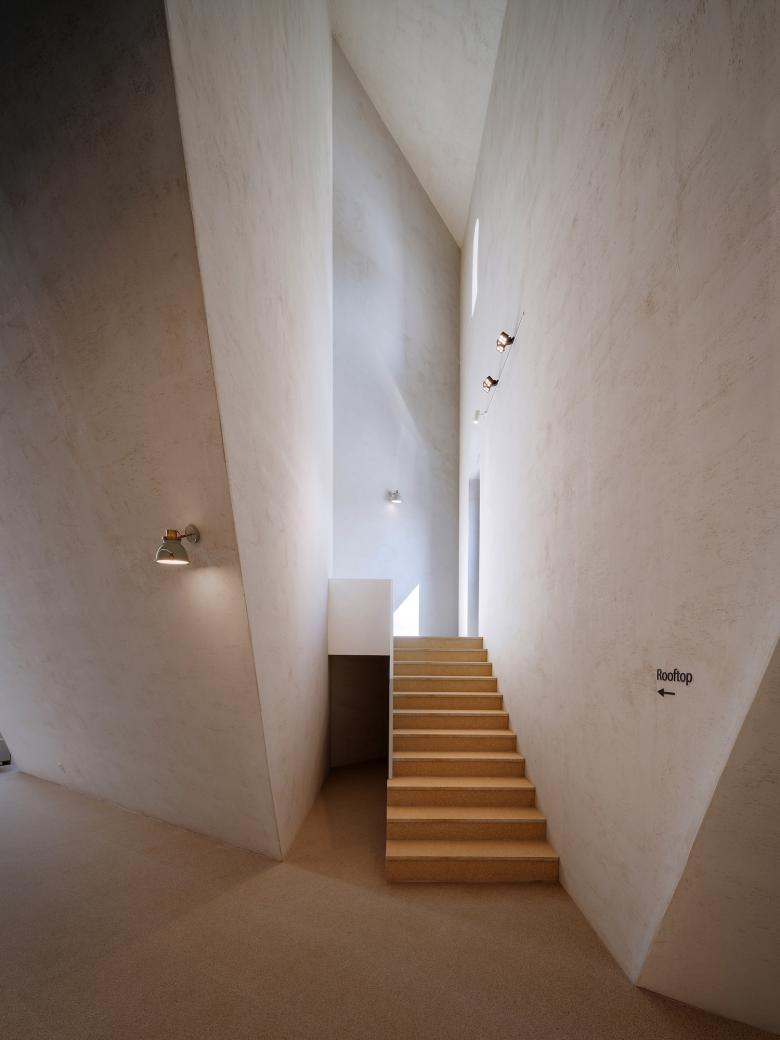
Monologue Café is conceived as a space of introspection rather than consumption. The project focuses on silence, time, and emotional resonance. The architecture avoids excessive expression and instead creates a restrained atmosphere, allowing visitors to experience a subtle narrative through space, light, and material. It is less about visual impact and more about internal experience.
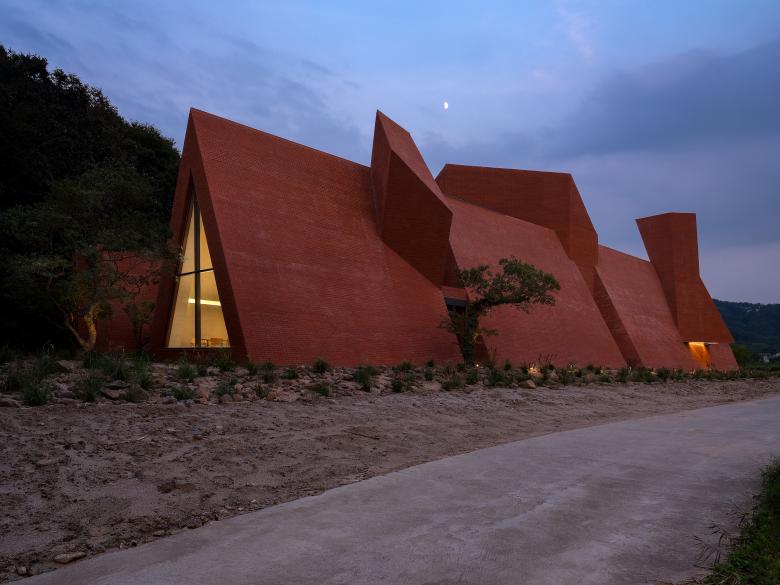
The design was inspired by the concept of a “monologue”—a solitary voice existing within time. We explored how architecture can embody a quiet narrative, where the user becomes both the observer and the protagonist. The idea of walking through time, and experiencing subtle shifts in atmosphere, guided the overall design approach.
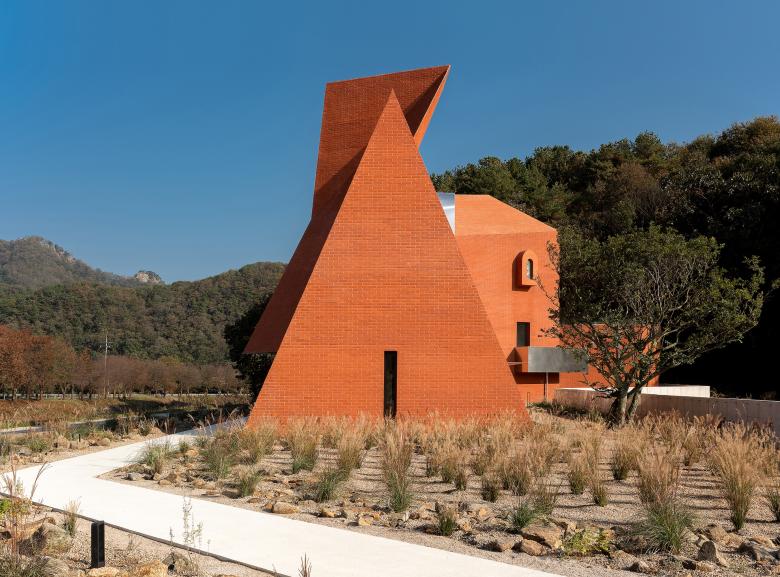
The site played a crucial role in shaping the project. Its natural context and surrounding atmosphere encouraged a design that blends quietly into its environment rather than dominating it. The building was positioned and shaped to respond to light, views, and movement across the site, creating a continuous dialogue between interior and exterior.
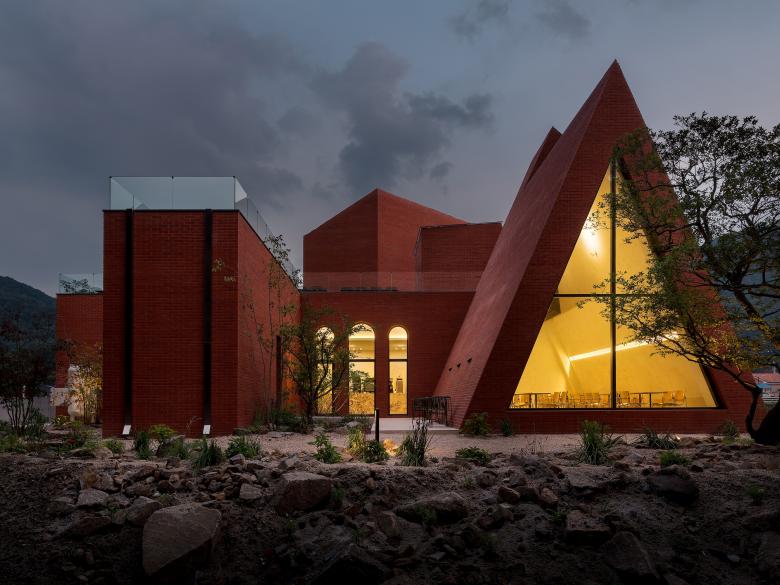
The client’s intention to create a meaningful and emotionally engaging space had a significant influence on the design. Rather than focusing on efficiency or commercial optimization, the project prioritized atmosphere and narrative. This shared vision allowed the design to maintain its conceptual clarity throughout the process.
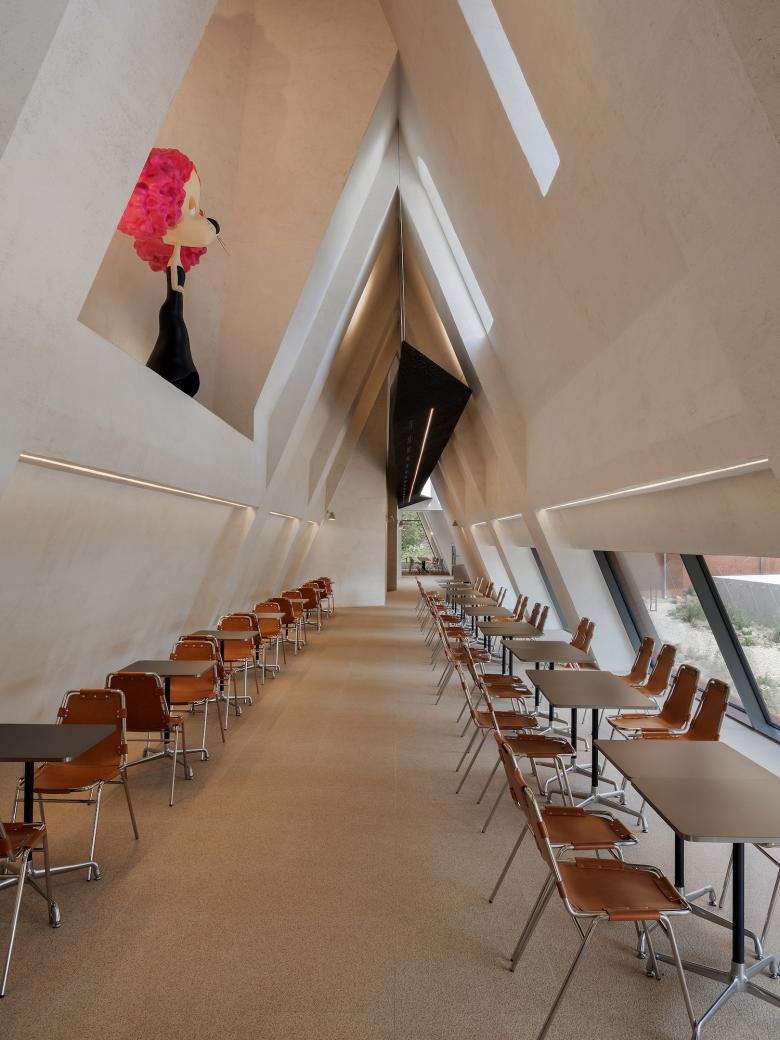
While the core concept remained consistent, several adjustments were made during the process to better align with construction realities and material behavior. These changes were not deviations, but refinements that strengthened the original intent, allowing the project to achieve a more precise spatial and atmospheric quality.
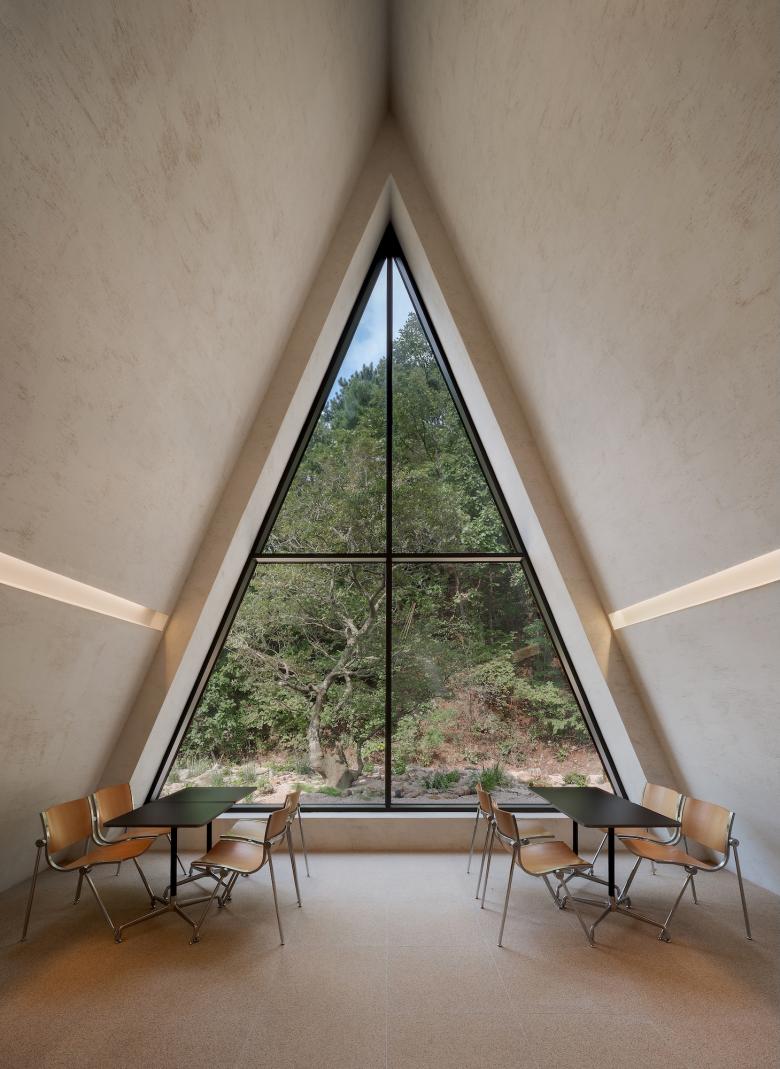
This project reflects our ongoing interest in narrative-driven architecture. Rather than treating buildings as isolated objects, we approach them as part of a larger conceptual framework that explores time, memory, and human experience. Monologue Café can be seen as a continuation of this approach, where architecture becomes a medium for storytelling.
Email interview conducted by John Hill.
Location: 7, Odochigil, Seomyeon, Hongcheon-gun, Gangwon-do, South Korea
Client: Monologue
Architect: SOSOKKI ANAC / Gi-Tae Chung
- Design Principal/ Project Manager: Gi-Tae Chung
- Project Architect: Jae-mun Kim
MEP/FP Engineer: Duksu Engineering
Landscape Architect: NATURAL SPACE
Lighting Designer/Interior Designer: SOSOKKI ANAC
Contractor: STARSIS
Site Area: 3,463 m²
Building Area: 455.6 m²